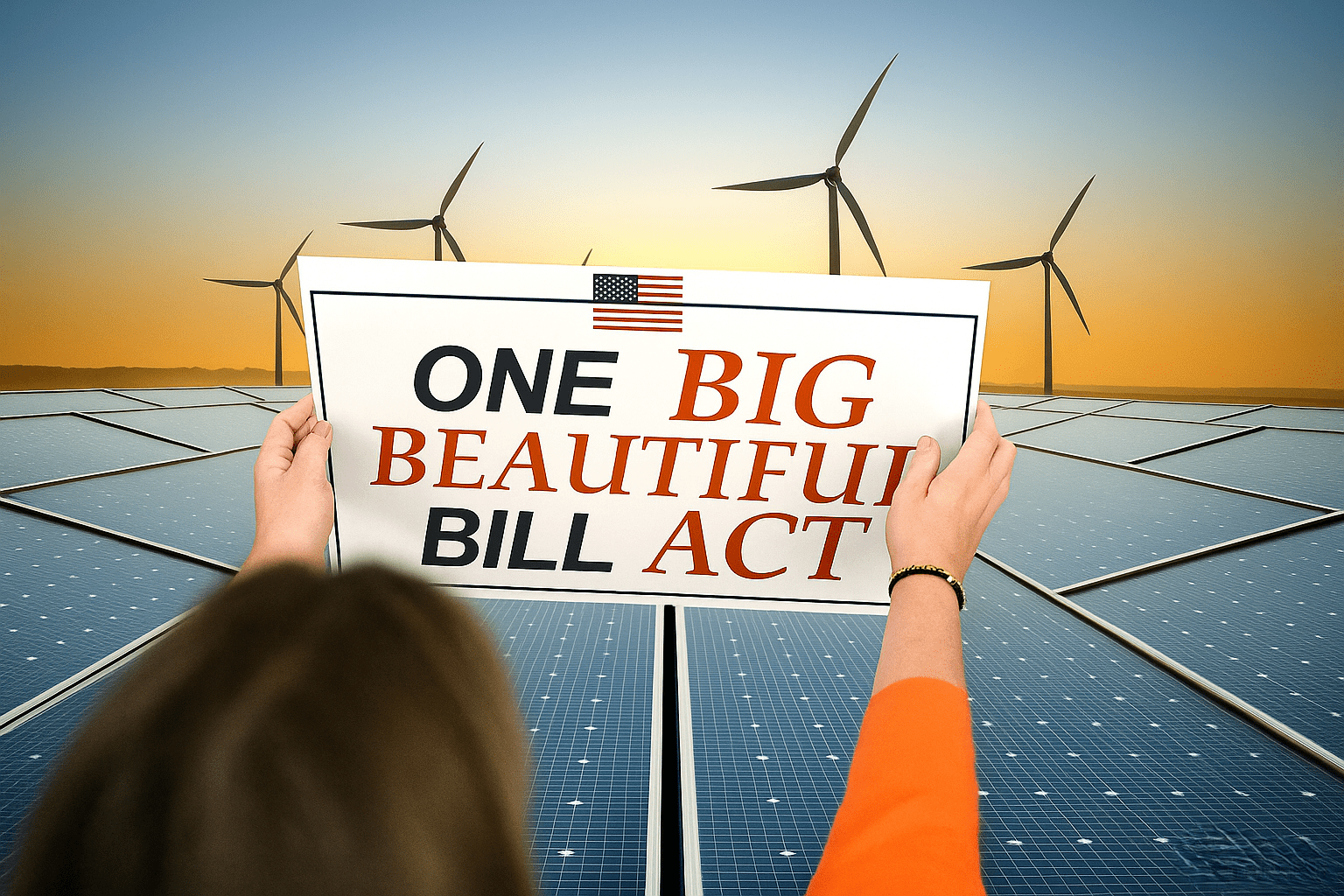
The Inflation Reduction Act (IRA) has brought historic changes to clean energy incentives in the United States. At the heart of these updates is the One Build Back Better (OBBB) agenda, which strengthens tax credits for solar adoption. A key element is the modification of Section 25D of the Internal Revenue Code, which governs the Residential Clean Energy Credit.
What Is Section 25D?
Section 25D is the part of the tax code that provides individual homeowners with a federal tax credit for installing clean energy systems.
Eligible technologies include:
● Solar photovoltaic (PV) systems
● Solar water heating systems
● Small wind turbines
● Geothermal heat pumps
● Fuel cells (for certain residential applications)
For solar PV, Section 25D has been the backbone incentive driving residential adoption in the U.S.
The OBBB’s Impact on Section 25D:
Under OBBB and the IRA, Section 25D was expanded and extended, making solar investments more attractive.
Key changes include:
● Extended 30% Tax Credit
Homeowners installing solar between 2022 and 2032 can claim a 30% credit on installation costs. After 2032, it steps down:
○ 26% in 2033
○ 22% in 2034
○ Expiration in 2035 (unless extended again)
● Expanded Eligibility
Section 25D now covers not only solar panels but also battery storage systems with a capacity of at least 3 kWh, even if installed separately from solar.
● No Cap on Credit Amount
There is no maximum claim amount—homeowners receive the full 30% regardless of system cost.
What This Means for Homeowners:
The Section 25D changes make solar and storage more affordable than ever:
● Bigger Savings Upfront: A $20,000 solar installation could result in a $6,000 tax credit.
● Energy Independence: With batteries included, homeowners can reduce grid reliance.
● Longer Window to Invest: The 30% credit stays in place for the next decade, providing certainty for planning.
What This Means for Installers and the Solar Industry:
● Increased Demand: More homeowners will find solar financially accessible.
● Battery Market Growth: Expect a surge in solar-plus-storage installations.
● Stable Policy Environment: The long-term extension helps companies plan growth strategies without fear of incentive cuts.
Challenges & Considerations:
While the changes are positive, a few things remain important:
● Homeowners must have enough tax liability to benefit fully from the credit.
● Installers must educate customers on eligibility requirements.
● State-level incentives may interact with Section 25D, influencing total savings.
Conclusion:
The OBBB and Section 25D updates mark a turning point for residential solar in the U.S. By restoring the 30% tax credit, extending it for a decade, and expanding it to include standalone battery storage, the law makes clean energy adoption more practical and affordable. For both homeowners and the solar industry, this represents a new era of growth, savings, and sustainability.