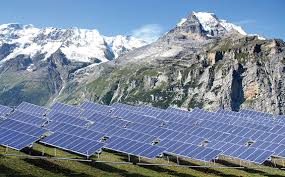
Nestled in the lap of the Himalayas, Jammu and Kashmir (J&K) is known for its natural beauty and vast hydro resources. But in recent years, the Union Territory has turned its attention toward solar energy — an abundant, sustainable resource that promises to reshape its energy future.
The Jammu and Kashmir Solar Policy is designed to promote solar adoption across homes, businesses, and government institutions, while contributing to India’s ambitious goal of achieving 500 GW of renewable energy capacity by 2030.
Key Objectives of the J&K Solar Policy:
1. Accelerate solar adoption across residential, commercial, and industrial sectors.
2. Promote rooftop solar systems through subsidies and simplified approvals.
3. Develop large-scale solar parks to attract private investment.
4. Enable farmers and rural communities to access clean, affordable energy.
5. Reduce carbon emissions and dependency on fossil fuels.
Major Highlights of the Solar Policy:
1. Rooftop Solar Subsidy Program
JAKEDA has implemented the Grid-Connected Rooftop Solar Scheme, supported by the Ministry of New and Renewable Energy (MNRE).
Residents can now install 1 kW to 10 kW solar systems and receive up to 65% subsidy (combining central and UT-level incentives).
• 40% subsidy for systems up to 3 kW.
• 20% subsidy for additional capacity (above 3 kW up to 10 kW).
• Zero electricity bills for homes generating surplus power under the net-metering system.
2. Solarization of Government and Institutional Buildings
All new and existing government buildings, schools, and offices are being equipped with rooftop solar installations to cut electricity costs and lead by example.
3. Development of Solar Parks
The government has identified potential sites for utility-scale solar projects in:
• Ladakh region (high irradiance areas like Kargil & Leh)
• Samba and Kathua districts (for large-scale solar farms)
These projects aim to supply green energy to both local grids and neighboring states through interstate transmission.
4. Solar for Agriculture and Rural Empowerment
Under schemes like PM-KUSUM, farmers are encouraged to:
• Install solar-powered irrigation pumps,
• Sell excess electricity to the grid, and
• Reduce dependence on diesel-based systems.
This initiative is improving rural livelihoods and ensuring energy access in off-grid areas.
Benefits for Homeowners and Businesses:
• Lower electricity bills via net metering.
• High government subsidies make installations affordable.
• Increased property value through green upgrades.
• Energy independence with on-site generation and backup options.
• Tax benefits for businesses investing in solar infrastructure.
Financial and Policy Incentives:
| Category | Incentive | Description |
| Residential | Up to 65% subsidy | Under MNRE + JAKEDA programs |
| Commercial & Industrial | Accelerated depreciation (up to 40%) | To reduce taxable income |
| Agriculture | Subsidized solar pumps | 30–60% cost covered |
| Open Access Projects | Exemption from wheeling and banking charges (initial years) | Encourages investment |
Environmental and Economic Impact:
• Reduction in greenhouse gas emissions and air pollution.
• Job creation in installation, maintenance, and manufacturing.
• Strengthening of energy infrastructure in remote hill regions.
• Contribution to India’s net-zero goals and energy transition roadmap.
Challenges:
Despite strong policy support, J&K faces certain implementation barriers:
• Mountainous terrain limits land availability for large solar parks.
• Harsh winters reduce solar efficiency in some regions.
• Need for skilled manpower and technical awareness at the local levels.
The government and JAKEDA are addressing these challenges by focusing on rooftop solarization, training programs, and public awareness drives.
The Road Ahead:
With abundant sunshine, government commitment, and national support, Jammu and Kashmir is set to become a clean energy leader in the Himalayan belt.
Ongoing projects and new policies will empower citizens, boost tourism sustainability, and reduce dependence on fossil fuels — paving the way for a self-reliant, green future.
Conclusion:
The Jammu and Kashmir Solar Policy marks a historic shift toward renewable self-sufficiency. By blending modern solar technology with local development goals, the UT is not just producing clean power — it’s powering hope, progress, and prosperity.