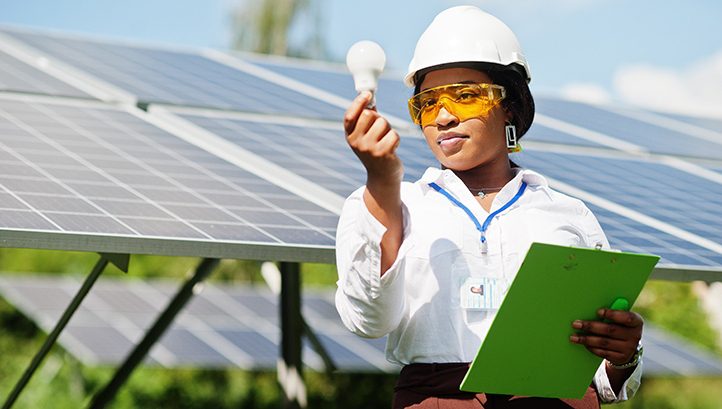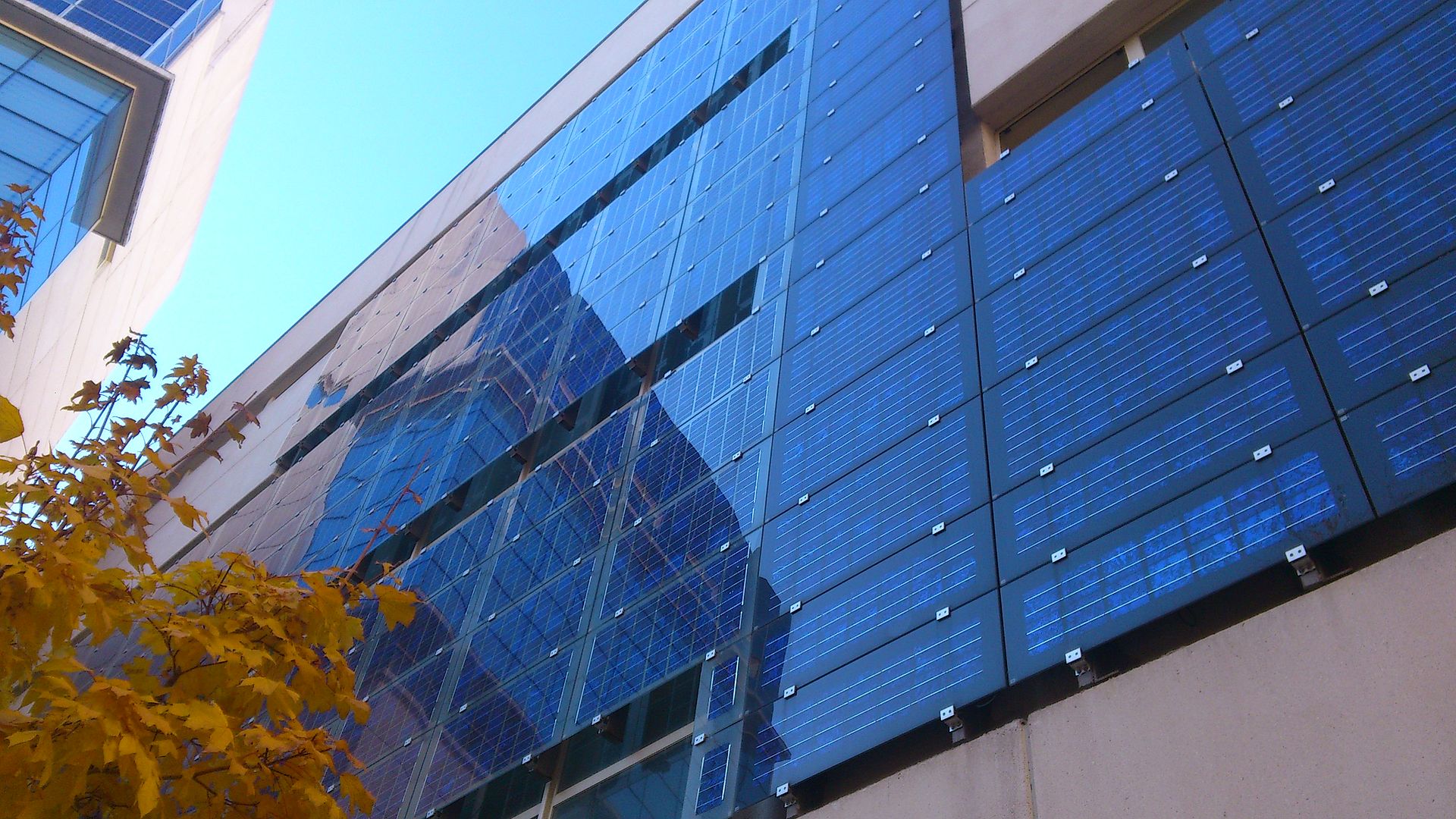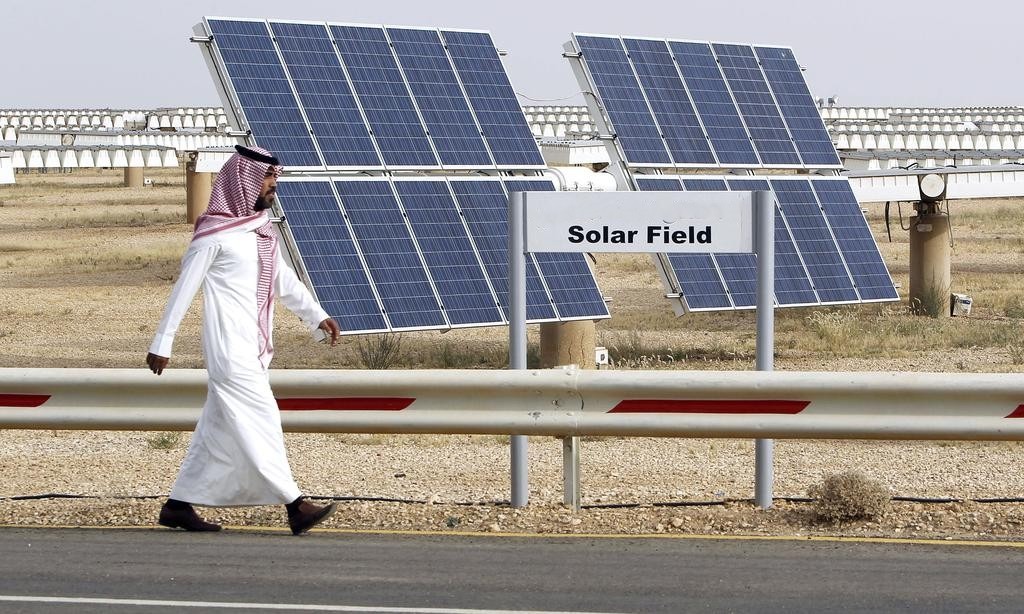
The Middle East has long been synonymous with oil wealth and fossil fuel dominance, but a quiet revolution is taking place — one powered by the sun. With some of the world’s highest solar irradiance levels and vast open deserts, the region is now transforming from an oil exporter to a renewable energy innovator.
As climate change concerns rise and global energy markets evolve, countries across the Middle East are embracing solar power to diversify their economies, secure their energy future, and meet ambitious sustainability goals.
The Shift from Oil to Renewable Energy:
For decades, the economies of the Middle East — especially Saudi Arabia, the UAE, Qatar, and Kuwait — have relied heavily on oil and gas exports. However, the global energy transition and the volatility of oil prices have pushed these nations to rethink their long-term strategies.
Solar energy presents a natural alternative. The Middle East receives over 3,000 hours of sunshine per year, making it one of the best-suited regions globally for solar projects. Governments are now investing billions to capture this abundant energy and convert it into economic opportunity.
Why Solar Energy Makes Sense for the Middle East:
1. Abundant Sunshine
The region’s deserts provide vast land areas with extremely high solar radiation, making large-scale installations both efficient and economical.
2. Energy Diversification
As global oil demand fluctuates, solar energy offers a path to stabilize energy supply and reduce dependence on fossil fuels.
3. Economic Transformation
Solar investments align with national visions like Saudi Vision 2030 and the UAE’s Net Zero 2050, creating new industries and job opportunities in clean energy.
4. Global Leadership
By adopting solar energy early and at scale, Middle Eastern nations can become exporters of green power and technology, shaping the next phase of global energy leadership.
Major Solar Projects Powering the Middle East:
The scale of solar projects in the Middle East is record-breaking — both in size and innovation. Here are some key examples leading the charge:
1. Mohammed bin Rashid Al Maktoum Solar Park (UAE)
Located in Dubai, this is one of the largest solar parks in the world, with a planned capacity of 5,000 MW by 2030. It utilizes both photovoltaic (PV) and concentrated solar power (CSP) technologies and is central to Dubai’s Clean Energy Strategy.
2. Sakaka Solar Project (Saudi Arabia)
Saudi Arabia’s first utility-scale solar project, generating 300 MW, is a cornerstone of the country’s plan to produce 50% of its energy from renewables by 2030.
3. Noor Abu Dhabi (UAE)
With a capacity of 1.2 GW, Noor Abu Dhabi was, at its completion, the largest single-site solar plant in the world, supplying power to over 90,000 homes.
4. Benban Solar Park (Egypt)
Located near Aswan, this massive complex produces 1.8 GW of clean energy, helping Egypt move toward 20% of its electricity from renewables by 2025.
5. Al Kharsaah Solar Plant (Qatar)
Commissioned for the 2022 FIFA World Cup, this 800 MW plant reflects Qatar’s commitment to carbon-neutral events and renewable growth.
Future Outlook: The Middle East as a Global Solar Hub
With falling solar costs, advanced technologies like bifacial panels, energy storage, and green hydrogen production, the Middle East is well-positioned to become a global leader in solar exports.
• Green Hydrogen: Countries like Saudi Arabia and Oman are investing in massive hydrogen projects powered by solar energy, aiming to export clean fuel worldwide.
• Smart Grids & AI: Integration of AI-driven analytics is enhancing solar performance and grid stability.
• Cross-Border Energy Trade: Initiatives like the Middle East–Europe power corridor could enable the region to export clean electricity to Europe and Asia.
Conclusion:
The Middle East’s journey from oil to sunlight symbolizes one of the most significant transitions in modern energy history. By harnessing the power of the sun, the region is not only reducing its environmental footprint but also redefining its global economic identity.
As large-scale projects continue to rise from the desert sands, the Middle East stands as a beacon of renewable innovation, proving that even the world’s oil heartland can lead the way toward a clean, sustainable future.