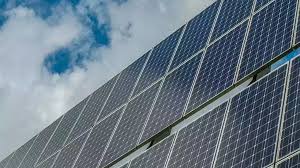
The first half of 2025 has delivered a major milestone for the renewable energy sector. Global solar installations surged by an impressive 64%, marking one of the strongest growth periods the industry has ever seen. This boom is not only driven by falling module prices and improved technology but also by stronger government policies promoting clean energy adoption. For EPC (Engineering, Procurement, and Construction) companies, this rapid expansion brings a mix of opportunities and new challenges.
Why Solar Installations Are Rising So Rapidly:
Several key factors have contributed to the explosive growth in 2025:
• Lower Solar Module Prices:
Global manufacturing capacity has increased, pushing prices down and making solar more affordable.
• Advanced Technologies:
High-efficiency modules, bifacial panels, and AI-powered design tools are enabling better energy yields and faster installations.
• Government Support:
Nations across Asia, Europe, and North America have rolled out new incentives, subsidies, and carbon reduction targets.
• Commercial Adoption:
Businesses are accelerating their shift to solar as part of sustainability commitments and to reduce long-term operating costs.
What This Means for EPC Companies:
With demand rising sharply, EPCs need to adapt quickly to stay competitive:
1. Faster Project Execution:
Developers and rooftop consumers expect quicker delivery. EPCs must adopt automation, digital workflow tools, and 3D solar design software.
2. Stronger Supply Chain Management:
Material shortages and shipping delays remain concerns. Efficient procurement planning is crucial.
3. Skilled Workforce Requirement:
The surge in installations means a higher demand for trained engineers, designers, and technicians.
4. Focus on Quality & Compliance:
As project volume increases, maintaining quality standards and meeting local regulations become even more critical.
5. Shift Toward Large-Scale Projects:
Utility-scale solar parks are expanding rapidly, offering huge opportunities for EPCs with the capability to handle large projects.
Conclusion:
The 64% surge in global solar installations during H1 2025 marks a turning point for the industry. For EPCs, this is a golden opportunity—but only for those ready to innovate, scale, and deliver high-quality solutions. By embracing new technologies, strengthening supply chains, and building skilled teams, EPC companies can lead the next era of global solar expansion.