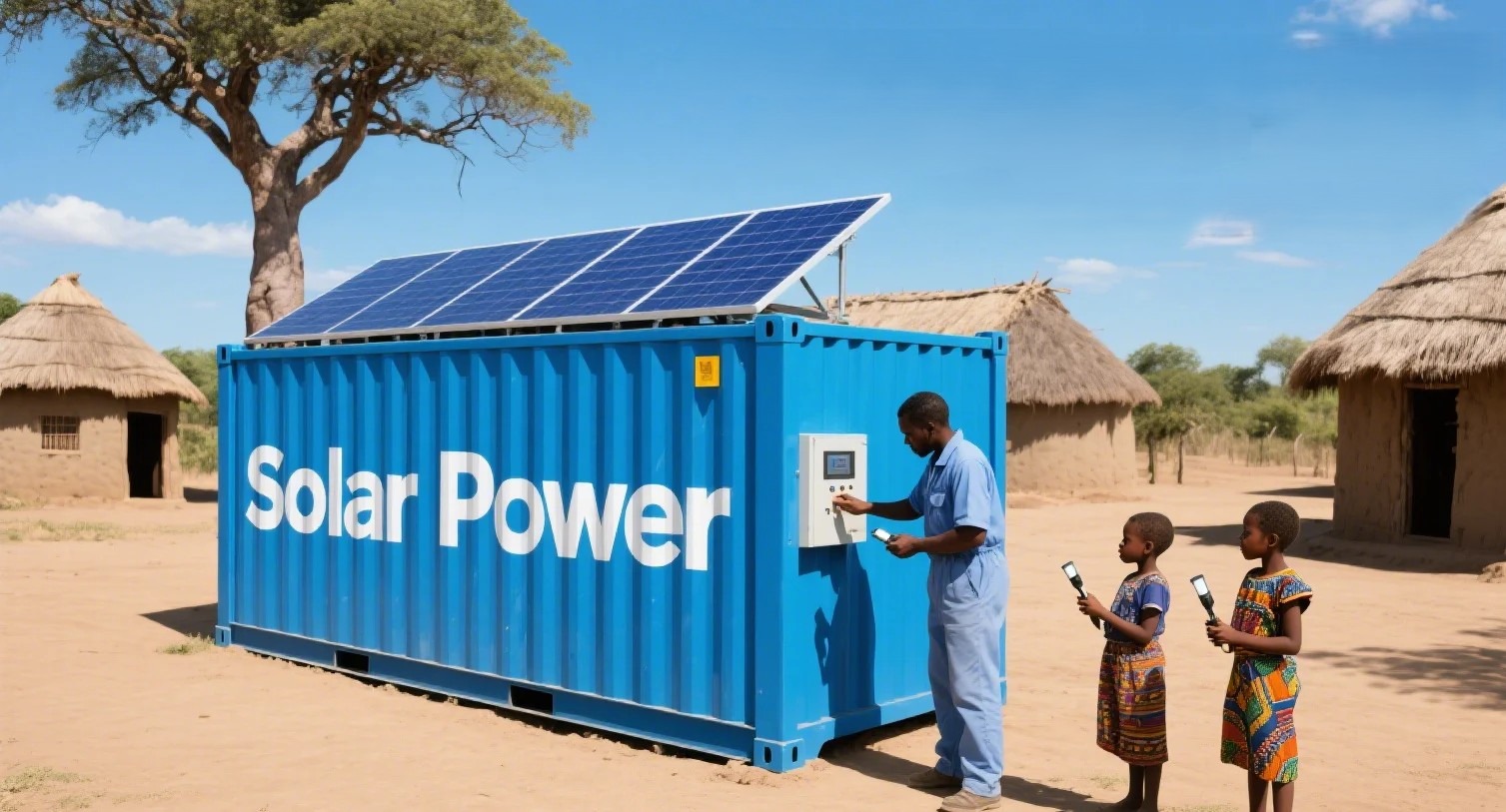
Access to reliable electricity remains a major challenge across rural Africa, where millions still depend on kerosene lamps, firewood, or diesel generators for basic energy needs. To address this gap, solar electrification programs are bringing clean, affordable, and reliable power to remote villages—improving lives, boosting education, and enabling economic growth.
Case Study 1: Solar Home Systems in Kenya
Kenya is a leading example of decentralized solar adoption. Companies like M-KOPA Solar offer pay-as-you-go (PAYG) home solar kits that include lights, phone charging, and radios.
• Households pay small daily installments using mobile money.
• Families avoid buying kerosene, improving indoor air quality.
• Children study longer hours due to reliable lighting.
This model has electrified millions of rural homes without requiring grid expansion.
Case Study 2: Solar-Powered Schools in Rwanda
Rwanda has implemented solar systems in rural schools to bridge the digital education gap.
• Solar energy powers classroom lighting and computer labs.
• Teachers gain access to online training and digital materials.
• Attendance and student performance have improved.
These efforts support the country’s goal of universal energy access by 2024.
Case Study 3: Agricultural Solar Pumps in Tanzania
Farmers in Tanzania are adopting solar irrigation pumps to replace diesel-powered systems.
• Reduced fuel costs increase farming income.
• Year-round irrigation improves crop yield and food security.
• Women farmers benefit from reduced manual labor.
Solar pumps are helping smallholder farmers build climate-resilient agriculture.
Conclusion:
Africa’s rural solar electrification programs demonstrate how small-scale, decentralized solar solutions can deliver big social and economic impact. Through innovative financing, government support, and private sector leadership, solar energy is empowering communities and lighting a path toward a more sustainable and equitable future.