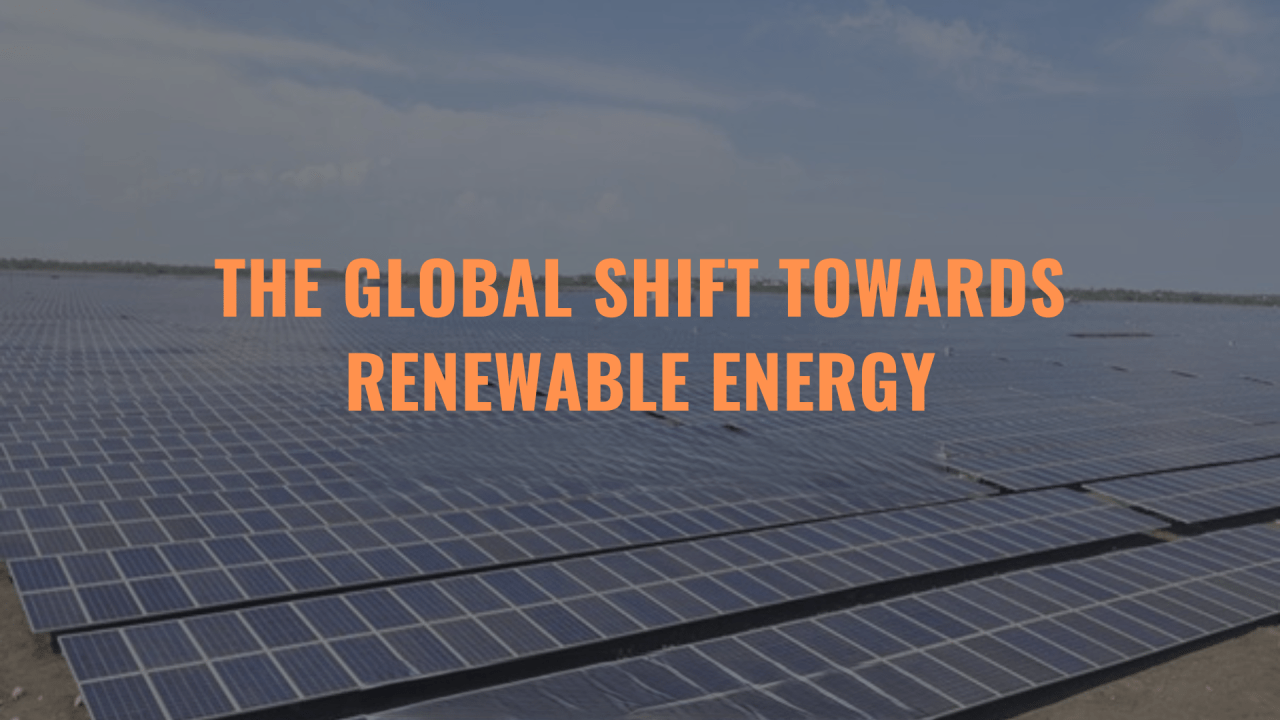
Rising electricity rates are a growing concern, particularly in regions with high demand. While solar energy offers a cost-saving alternative, fluctuating tariffs and grid pressures present unique challenges for widespread adoption.
The Impact of Rising Electricity Rates:
In high-demand areas, utilities often raise rates to balance peak load pressures and infrastructure costs. For consumers, this translates into higher monthly bills. Solar power can reduce reliance on the grid, but initial system costs and policy hurdles often slow adoption.
Challenges for Solar Adoption:
● High Upfront Costs – Despite falling solar prices, many households still find the initial investment daunting without financing support.
● Grid Dependence – In areas with variable net metering policies, consumers may not realize the full financial benefit of going solar.
● Policy Uncertainty – Frequent changes in incentives, rebates, or tariff structures create hesitation among potential adopters.
● Infrastructure Strain – Rapid solar adoption in high-demand zones can require grid upgrades, delaying project approvals.
Balancing the Equation:
To overcome these challenges, solutions such as flexible financing, government incentives, and community solar programs are crucial. Additionally, pairing solar with battery storage can help consumers maximize savings while reducing pressure on local grids.
Electricity rate hikes highlight the urgent need for affordable and reliable energy alternatives. While solar adoption in high-demand areas faces obstacles, strategic planning, supportive policies, and storage integration can make solar a resilient and cost-effective solution for the future.