California experiences some of the most intense heatwaves in the United States, and with rising temperatures every year, the demand for electricity increases significantly. Air conditioners run longer, cooling systems work harder, and the power grid often struggles to keep up. This can lead to brownouts and widespread blackouts. However, many California towns are now using solar energy as a powerful tool to avoid these outages.
Solar Reduces Grid Load During Peak Hours:
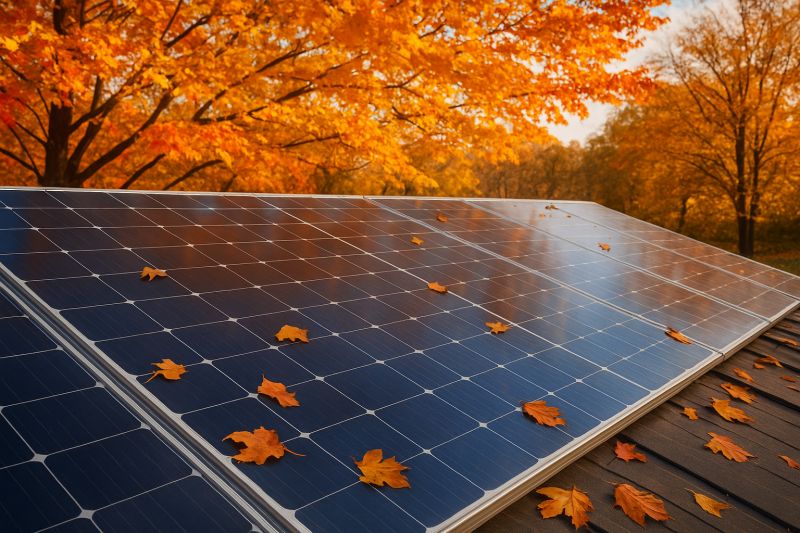
Heat waves usually peak during the afternoon when sunlight is strongest—and that’s exactly when solar panels generate the maximum amount of electricity. This reduces the burden on the state’s grid because homes, businesses, and public buildings rely more on solar power and less on traditional electricity sources.
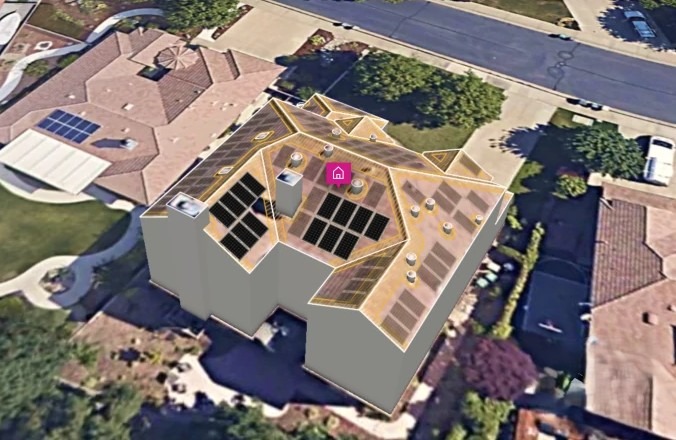
With thousands of rooftops generating power that feeds back into the grid, solar creates a buffer that prevents overload.
Solar + Batteries: A Reliable Backup
Many California towns are installing solar battery systems to store extra energy generated during the day. At night or during an emergency, these batteries supply electricity even if the grid goes down.
This combination is especially helpful for:
• Hospitals
• Schools
• Fire stations
• Community centers
These facilities can stay operational and provide relief during extreme weather events.
Microgrids Strengthen Local Resilience:
Some communities are adopting solar-powered microgrids—small, self-sufficient energy networks that can operate independently from the main grid. During heat waves or wildfires, microgrids keep neighborhoods powered even if nearby areas face outages.
Conclusion:
Solar energy has become a key solution for California in managing heat-related power challenges. By reducing grid stress, providing battery backup, and enabling microgrids, solar power helps towns stay safe, cool, and operational during extreme heat waves. As climate challenges grow, solar isn’t just a renewable option—it’s a reliable lifeline for communities.