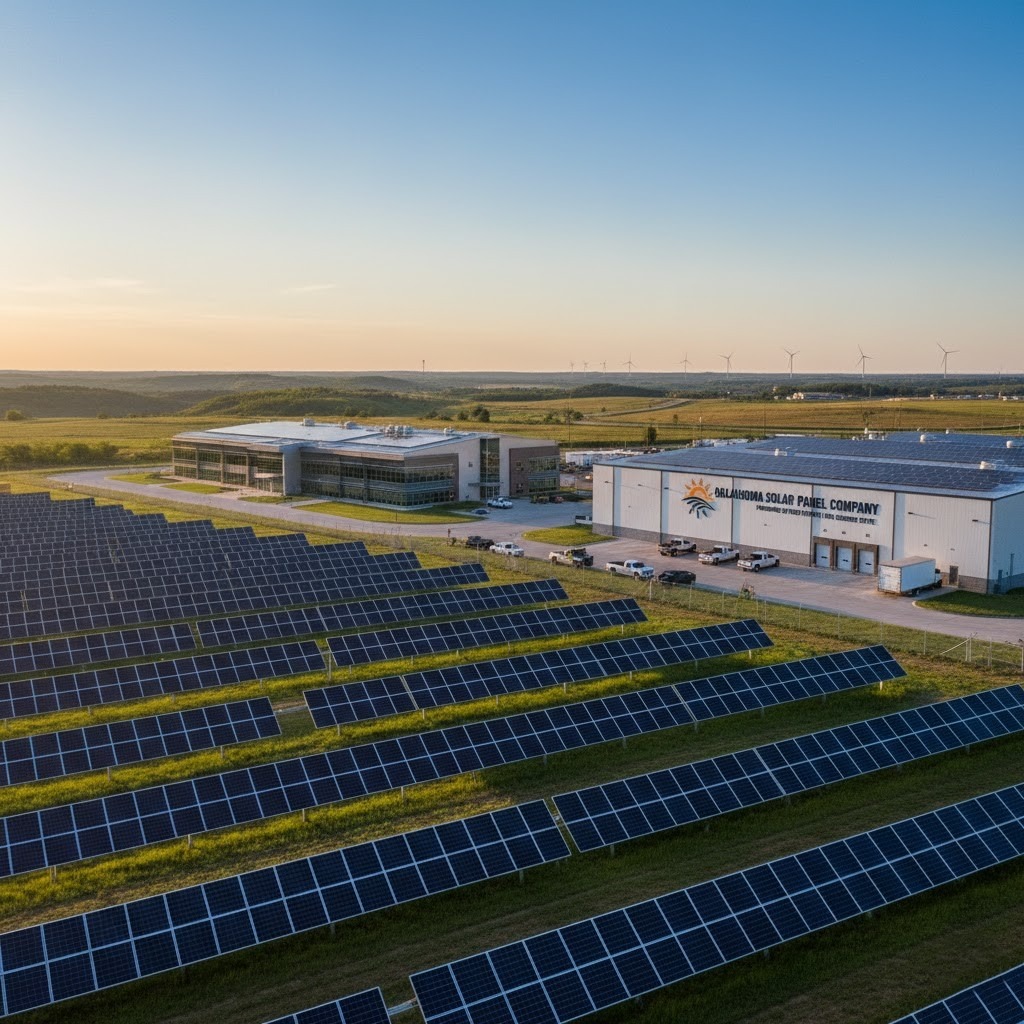
Odisha, known for its vast coastline, rich mineral resources, and cultural heritage, is now taking bold steps toward a clean energy future. With the launch of the Odisha Renewable Energy Policy, the state aims to accelerate solar adoption, ensure energy security, and contribute to India’s national renewable energy goals.
The Odisha Solar Policy envisions transforming the state into a hub for solar power generation and green investment, paving the way for a sustainable and resilient energy ecosystem.
Key Features of the Odisha Solar Policy:
1. Utility-Scale Solar Parks
Odisha’s vast tracts of non-agricultural and semi-arid land are ideal for large solar installations.
The state has identified potential solar park sites in Balangir, Kalahandi, and Boudh districts.
Key benefits for investors:
• Single-window clearance for project approvals.
• Land facilitation through the Industrial Infrastructure Development Corporation (IDCO).
• 24/7 grid connectivity support from the Odisha Power Transmission Corporation Limited (OPTCL).
These solar parks will help the state meet both domestic and industrial energy demands sustainably.
2. Rooftop Solar Systems
Odisha is actively encouraging rooftop solar power systems across residential, commercial, and institutional buildings.
• Consumers can install rooftop systems under net metering to sell surplus power back to the grid.
• The state provides MNRE subsidies — up to 40% for residential users (systems up to 3 kW).
• Public institutions, schools, and offices are being solarized under the Suryodaya Rooftop Program.
3. Off-Grid and Decentralized Solar Projects
In remote and rural parts of Odisha, where extending the main grid is challenging, OREDA promotes off-grid solar solutions such as:
• Solar home lighting and street lighting systems
• Solar-powered irrigation pumps for farmers
• Microgrids to electrify isolated villages
• Solar water heaters for households and community centers
These decentralized systems are transforming rural livelihoods by providing reliable and affordable electricity.
4. Manufacturing and Skill Development
Odisha aims to become a manufacturing hub for solar components such as panels, batteries, and inverters.
To achieve this, the policy promotes:
• Industrial zones for renewable manufacturing units
• Subsidies for MSMEs in clean energy technology
• Skill development programs for solar technicians through OREDA and ITIs
This initiative creates green jobs and strengthens the local supply chain for solar products.
Future Roadmap: Toward a Solar-Powered Odisha
The state government is planning several strategic initiatives to boost renewable integration:
• Development of floating solar projects on water bodies like Hirakud and Rengali reservoirs.
• Promotion of hybrid solar-wind and solar-storage systems.
• Integration of electric vehicle (EV) charging infrastructure powered by solar.
• Support for green hydrogen production using solar energy.
These efforts will help Odisha achieve its clean energy and climate resilience goals by 2030.
Conclusion:
The Odisha Solar Policy marks a transformative step in the state’s journey toward a sustainable energy future. With proactive governance, strong investor incentives, and community-driven programs, Odisha is poised to become a renewable powerhouse on India’s eastern coast.
By tapping into its solar potential, the state is not only reducing its carbon footprint but also empowering its people with clean, affordable, and reliable energy.
The Sunshine State of the East is ready to lead the way toward a greener tomorrow.