Solar energy is one of the fastest-growing sources of renewable power worldwide, and India is among the leaders in its adoption. From reducing electricity bills to fighting climate change, solar has many benefits.
Advantages of Solar Energy:
1. Reduces Electricity Bills
Solar panels convert sunlight into electricity, directly cutting down your monthly power expenses. A 5kW system can save up to ₹4,000–₹5,000 per month in residential settings.
2. Renewable and Clean Energy
Unlike coal and gas, solar power is inexhaustible and doesn’t release harmful greenhouse gases, making it an eco-friendly choice.
3. Low Maintenance
Solar panels require minimal upkeep — just cleaning every few weeks and occasional servicing of inverters and batteries.
4. Long Lifespan
Solar panels last 20–25 years, with many still performing efficiently even after their warranty period.
5. Energy Independence
By generating your own power, you depend less on the electricity grid and rising tariffs. In rural or off-grid areas, solar can be the only reliable source of electricity.
6. Government Subsidies & Incentives
In India, homeowners installing rooftop solar can benefit from a 20–40% subsidy (under the PM-Surya Ghar Yojana 2025). Businesses can claim tax benefits and accelerated depreciation.
Disadvantages of Solar Energy:
1. High Initial Investment
Although costs have fallen, installing solar panels still requires a large upfront investment (₹40,000–₹50,000 per kW without subsidy).
2. Weather Dependent
Solar panels work best under direct sunlight. Power generation drops on cloudy or rainy days and at night, requiring backup or grid supply.
3. Requires Space
A rooftop solar system needs around 100 sq. ft per kW. Houses with small or shaded roofs may struggle to install a suitable system.
4. Storage Cost is High
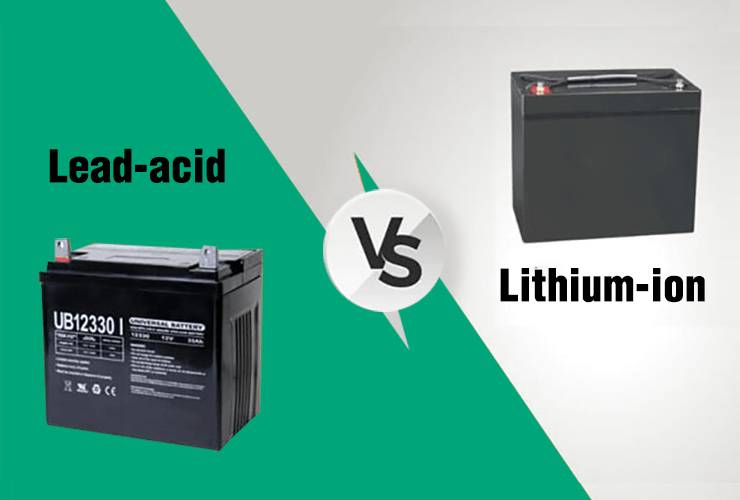
If you want to store power using batteries (off-grid or hybrid), costs rise significantly, especially with lithium-ion batteries.
5. Net Metering Delays
In some Indian states, approvals and policies for net metering can be slow or inconsistent, affecting benefits for grid-connected systems.
Conclusion:
Solar energy offers huge advantages such as cost savings, clean power, and energy independence, but challenges like high upfront cost and space requirements must be considered.
For most homeowners and businesses in India, solar is a smart long-term investment, especially with government subsidies and rising electricity tariffs.
Switching to solar is not just about saving money — it’s about moving towards a cleaner and more sustainable future.