As the solar industry becomes more competitive, speed, accuracy, and professionalism can make or break a deal. Solar EPCs, installers, and sales teams need tools that not only design systems efficiently but also help close customers faster. That’s where powerful solar design and proposal platforms come in. But with so many options available, which features truly matter?
Here are the top 7 features every solar design & proposal tool must have:
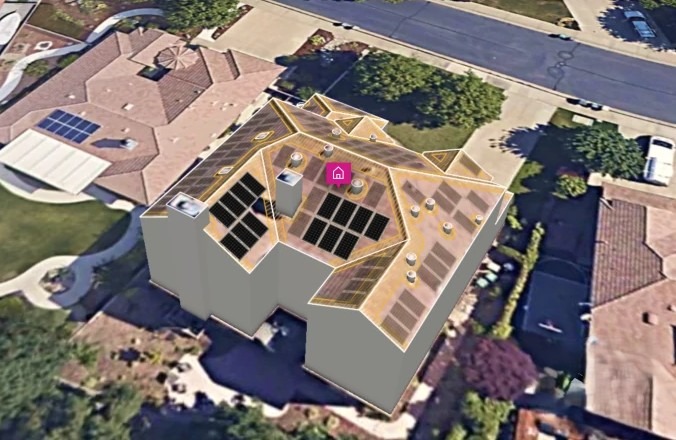
Feature 1: Accurate 3D Site Modeling & Shading Analysis
A reliable tool should allow users to:
• Draw roofs and ground layouts in 3D
• Analyze shading from trees, buildings, and obstructions
• Calculate real energy impact throughout the year
This ensures precise performance estimates and smarter panel placement.
Feature 2: AI-Powered Layout Optimization
Automated panel placement speeds up design work.
• Suggests the best tilt and orientation
• Optimizes spacing, row height, and module layout
This feature reduces engineering time and increases energy yield accuracy.
Feature 3: Automatic Electrical Configuration
No more manual string sizing or voltage checks.
• Auto-generate strings for inverters
• Warns against over- and under-voltage
• Produces wiring and SLD diagrams
This helps avoid design errors and speeds up approvals.
Feature 4: Integrated Financial Analysis
A proposal must be financially convincing.
• ROI, IRR, and payback calculations
• Utility tariff integration
• Monthly savings and cash flow charts
Clear numbers help homeowners and businesses confidently say “yes.”
Feature 5: Instant Bill of Materials (BOM) Creation
Every design change should update component lists automatically.
• Modules, inverters, cables, structures, accessories
This connects design to procurement, reducing waste and cost overruns.
Feature 6: Professional Proposal Generator
The final output should be:
• Visually appealing
• Customizable with branding
• Easy to share digitally
A strong, clear proposal builds trust and wins deals faster.
Feature 7: Cloud Collaboration & CRM/ERP Integrations
Teams should work together in real-time.
• Sales ↔ Design ↔ Procurement synced
• Integrate with CRMs like HubSpot/Zoho
• Store project data securely
This ensures smooth workflows from lead to commissioning.
Conclusion:
The right solar design & proposal tool reduces manual work, improves accuracy, and helps teams close more projects faster. Whether you’re a small installer or a large EPC, investing in the right software means better efficiency and higher profits.