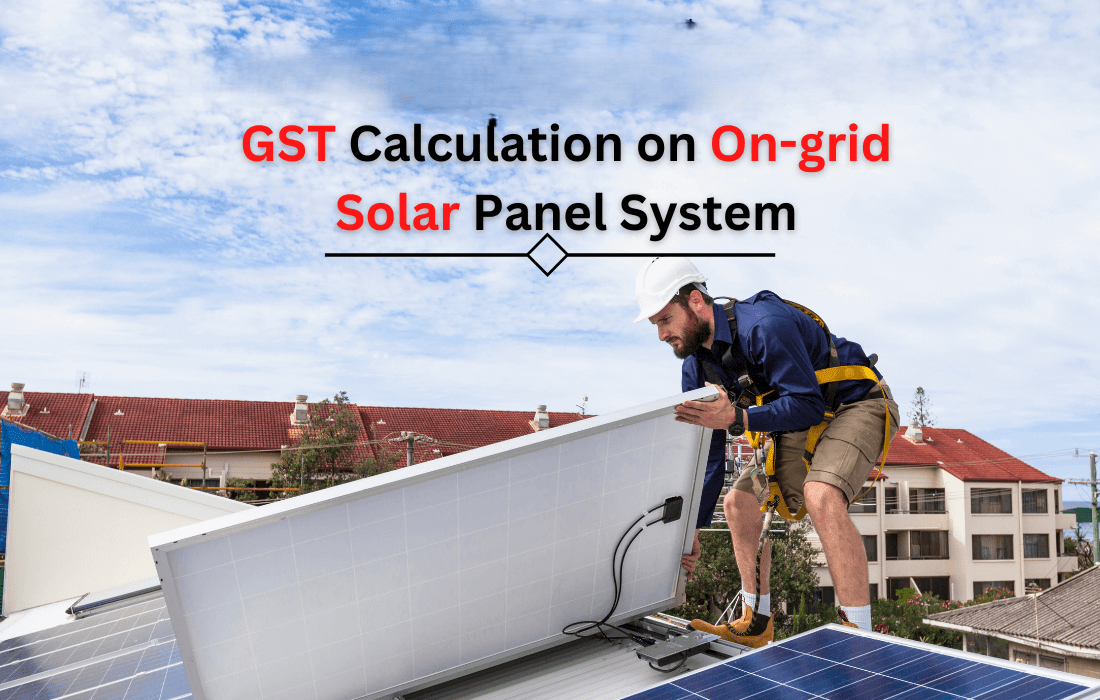
West Bengal is steadily expanding its renewable energy capacity, and rooftop solar has become a key focus area under the state’s clean-energy mission. With rising electricity costs and increasing consumer awareness, the West Bengal Solar Subsidy makes rooftop solar systems more affordable, especially for households and small commercial users.
The scheme is supported by the Ministry of New and Renewable Energy (MNRE) at the central level and implemented locally through the West Bengal Renewable Energy Development Agency (WBREDA) and state DISCOMs.
Subsidy Structure in West Bengal:
West Bengal follows the national rooftop solar subsidy norms under the PM Surya Ghar: Muft Bijli Yojana, offering Central Financial Assistance (CFA):
• Up to 1 kW: ₹30,000 subsidy
• Up to 2 kW: ₹60,000 subsidy
• Up to 3 kW: ₹78,000 subsidy (maximum CFA for homes)
• Above 3 kW to 10 kW: Fixed ₹78,000 subsidy
• Group housing societies: ₹18,000 per kW (up to 500 kW per society)
The subsidy is credited directly into the consumer’s bank account after installation, inspection, and successful net-metering approval.
Cost & Payback Advantage:
A typical 3 kW residential system in West Bengal costs around ₹1.8–2.2 lakh before subsidy.
With the ₹78,000 subsidy, the net cost reduces to ₹1.0–1.4 lakh, making rooftop solar far more affordable.
With Kolkata and other districts receiving strong solar irradiation, homeowners can save ₹1,500–₹3,000 per month, achieving a payback period of 4–6 years.
Conclusion:
The West Bengal Solar Subsidy makes rooftop solar an affordable and financially smart investment for households, housing societies, and small businesses. With strong sunlight, rising energy tariffs, and government support, now is the perfect time to switch to clean energy. Installing solar not only reduces electricity bills but also contributes to a greener and more sustainable Bengal.