When choosing a solar system, one of the most important factors to consider is solar panel efficiency. It directly affects how much electricity your panels can produce and how much value you get from your investment.
What Is Solar Panel Efficiency?
Solar panel efficiency is the percentage of sunlight a solar panel converts into usable electricity.
For example:
If a panel receives 100 units of sunlight and converts 20 units into electricity, its efficiency is 20%.
Higher-efficiency panels generate more power from the same roof space, which is especially beneficial for homes with limited installation space.
How Is Efficiency Measured?
Solar panel efficiency can be calculated using a simple formula:
Efficiency (%) = (Solar Power Output ÷ Solar Energy Input) × 100
Example:
• A 300W panel receives 1500W of sunlight energy
• Efficiency = (300 ÷ 1500) × 100 = 20%
Factors That Affect Solar Panel Efficiency:
1. Solar Cell Material
• Monocrystalline panels have higher efficiency (18–23%)
• Polycrystalline panels are moderately efficient (15–18%)
• Thin-film panels have lower efficiency but are lightweight and flexible (10–12%)
2. Temperature
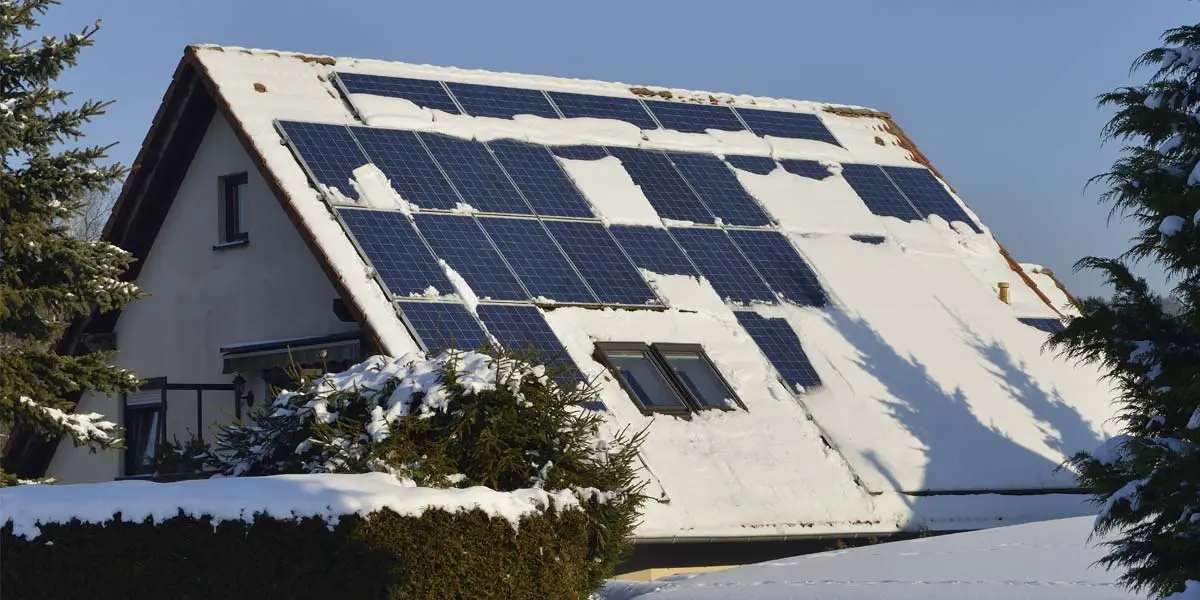
Panels perform best at cooler temperatures. High heat can lower output slightly — a factor measured by the temperature coefficient.
3. Shading
Even small shadows from trees, chimneys, or buildings can reduce efficiency significantly.
4. Panel Angle & Direction
• In India and similar regions, south-facing panels generate the most power.
• The optimal tilt angle depends on your location’s latitude.
Why Efficiency Matters:
Higher efficiency panels:
• Produce more power per square meter
• Reduce the number of panels needed
• Increase energy savings
• Provide better performance in cloudy or low-light conditions
However, higher efficiency panels can also cost more, so balance budget vs. roof space vs. power requirements.
How to Check Efficiency Before Buying:
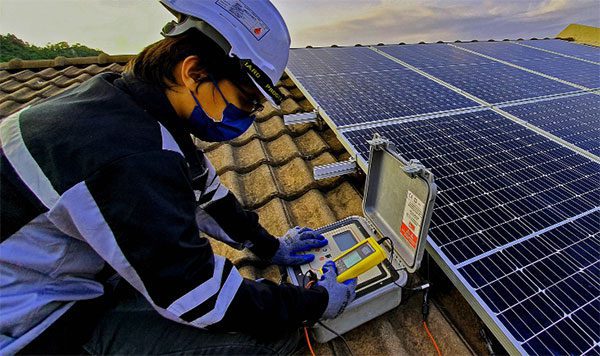
• Look at the panel datasheet (Efficiency % is clearly listed)
• Compare wattage per panel (higher wattage = more output)
• Check the performance warranty (good panels maintain ~80% output at 25 years)
Conclusion:
Solar panel efficiency is a key factor that determines how much energy your system can produce. Understanding how it’s measured and what influences it helps you choose the right panels for maximum savings and long-term performance.
Invest smart — choose panels that fit your space, climate, and power needs to make the most of your solar investment.