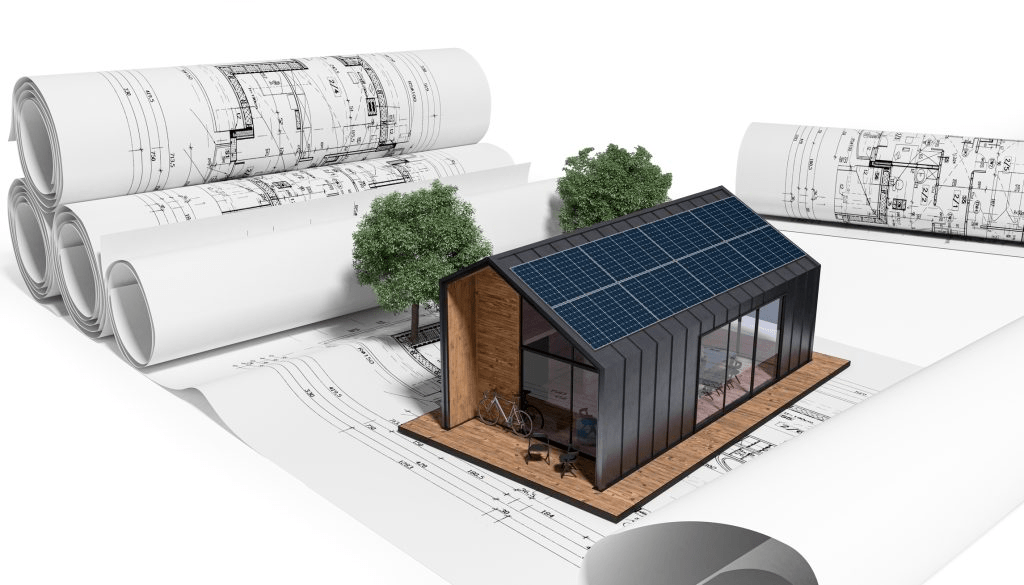
The solar industry is moving faster than ever, and in 2025, accuracy and efficiency have become the top priorities for installers, designers, and EPC companies. One of the biggest game-changers this year is 3D solar design software, which helps solar professionals create precise system layouts, cut planning time, and increase overall project output.
Why 3D Solar Design Matters in 2025:
Traditional 2D solar design tools often fail to capture real-world complexities. With more rooftops using complex structures—sloped roofs, trees, ventilation units, shadows—2D layouts can lead to inefficiencies or inaccurate predictions.
However, 3D design software provides a detailed, realistic model of the installation site. It simulates sunlight exposure, shading patterns, and obstruction impact throughout the year. As a result, designers can optimize panel placement for maximum energy output.
Key Features of Modern 3D Solar Design Tools:
1. Advanced Shading Analysis:
Real-time simulations show how shadows fall on panels hour by hour and season by season.
2. Accurate Energy Prediction:
With integrated weather data and AI-based prediction models, energy production estimates are far more reliable.
3. Auto Panel Placement:
Software automatically places panels on any roof type, saving time and reducing human errors.
4. 3D Visualization for Clients:
Detailed 3D renders help customers understand how their solar system will look, improving trust and conversion rates.
5. Cost & ROI Estimation:
Many tools include financial modeling to provide instant quotations, payback periods, and subsidy benefits.
Top 3D Solar Design Software Used in 2025:
• Aurora Solar – Known for its powerful 3D modeling and AI analysis
• Helioscope – Popular for commercial system design
• PVCase – Great for utility-scale and ground-mounted solar projects
• Skelion & OpenSolar – Affordable options for installers and small businesses
Conclusion:
3D solar design software is transforming how solar projects are planned and executed in 2025. By boosting accuracy, speeding up proposals, and improving customer experience, these tools help installers reduce risks and maximize ROI. As competition in the solar market grows, adopting modern 3D design solutions is no longer optional—it’s essential for staying ahead in the clean energy revolution.