As the world continues its transition to renewable energy, solar power stands at the forefront of the clean energy revolution. However, as millions of solar panels are installed globally each year, an equally important question arises — what happens when these panels reach the end of their life?
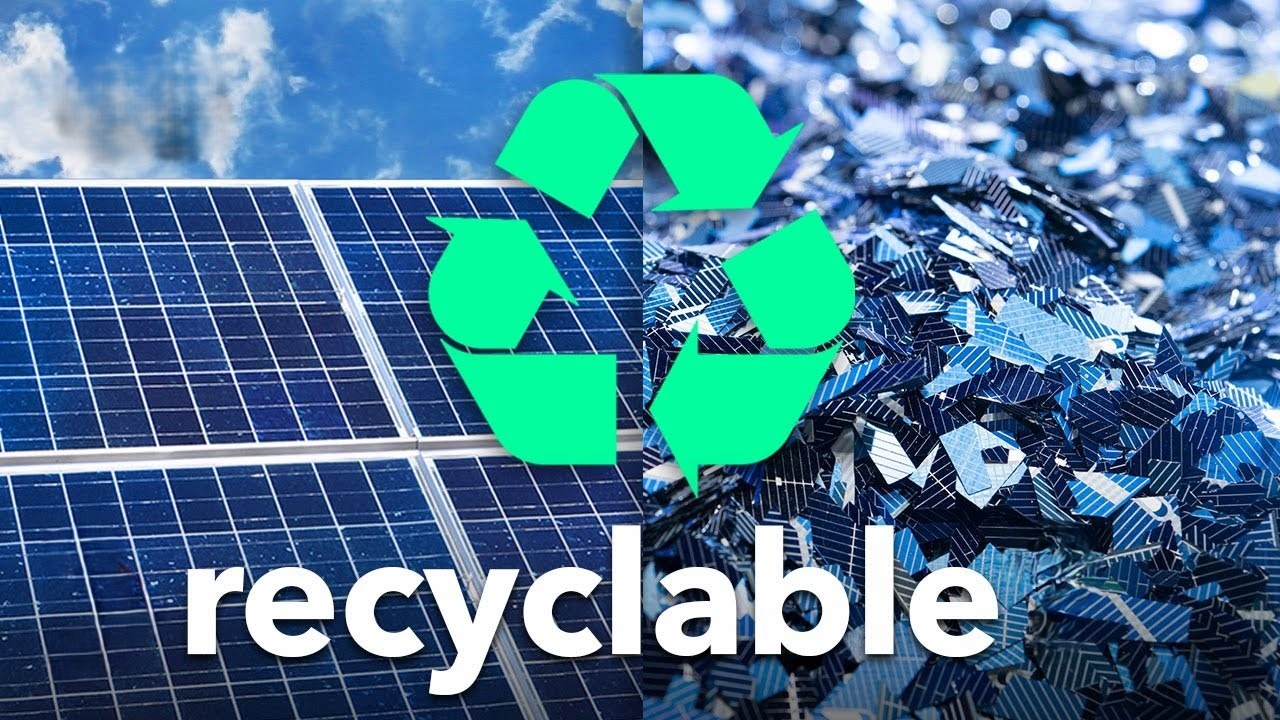
Solar panel recycling is becoming a crucial part of building a sustainable solar economy. It ensures that the clean energy transition remains environmentally responsible from start to finish.
Why Solar Panel Recycling Matters:
Solar panels typically last 25–30 years, after which their efficiency declines. As early installations from the 1990s and 2000s begin to retire, the world faces a growing wave of decommissioned solar modules.
Without proper recycling, these panels could end up in landfills, leading to:
• Waste of valuable materials like silicon, glass, aluminum, and silver.
• Environmental risks from small quantities of toxic materials (e.g., lead, cadmium).
• Lost opportunities for material recovery and job creation in recycling industries.
By recycling panels, we can recover up to 95% of valuable components, reduce waste, and create a circular economy within the solar industry.
What Are Solar Panels Made Of?
Understanding the composition of solar panels helps explain how recycling works. Most panels (especially silicon-based PV modules) contain:
• Glass (about 75%)
• Aluminum frame (about 10%)
• Silicon cells
• Plastic layers (EVA, backsheet)
• Trace metals (silver, copper, tin, lead)
These materials are recoverable with advanced recycling technologies — ensuring minimal environmental impact and material reuse in future panels or other industries.
The Solar Recycling Process:
1. Collection & Transportation – Decommissioned panels are collected from solar farms, rooftops, and installers.
2. Dismantling – Frames, junction boxes, and glass layers are manually removed for reuse or recycling.
3. Thermal or Mechanical Separation – The encapsulant layers (EVA) are heated or crushed to separate silicon wafers and metals.
4. Chemical Processing – Etching and chemical baths recover high-purity silicon and metals like silver and copper.
5. Material Reuse – Recovered materials are reintroduced into manufacturing, closing the loop on solar production.
Global Efforts in Solar Recycling:
• European Union (EU): Under the WEEE Directive, solar panels are legally required to be collected and recycled. The PV Cycle program operates across Europe, reclaiming valuable materials from old panels.
• United States: Several states, like California and Washington, have introduced solar recycling regulations, encouraging manufacturers to develop take-back programs.
• Japan & South Korea: Investing in research for advanced solar recycling to recover over 90% of materials.
• India: The upcoming Renewable Energy Waste Management Rules are expected to include solar PV recycling obligations for producers and EPC companies.
The Economic Opportunity:
According to the International Renewable Energy Agency (IRENA), by 2050, solar panel waste could reach 78 million tonnes globally — but this could also translate into a $15 billion market opportunity for recycling and material recovery.
Recycled silicon and metals can be used to produce new panels, semiconductors, or batteries, while creating thousands of jobs in the green economy.
Challenges in Solar Panel Recycling:
Despite the benefits, several hurdles remain:
• High processing costs compared to raw material prices.
• Limited recycling infrastructure and inconsistent regulations.
• Lack of consumer awareness about end-of-life disposal.
• Complex panel composition (especially in thin-film types).
However, technological innovation and stricter regulations are beginning to make solar recycling both economically viable and environmentally necessary.
The Future of Solar Sustainability:
Recycling is just one part of the broader sustainable solar ecosystem, which includes:
• Designing panels for recyclability from the start.
• Developing modular and easy-to-dismantle panels.
• Expanding producer responsibility programs (EPR).
• Creating closed-loop manufacturing where new panels are made from recycled ones.
By integrating recycling into every stage of the solar lifecycle — from design to decommissioning — the solar industry can truly become circular and sustainable.
Conclusion:
The shift to renewable energy isn’t just about producing clean power — it’s about creating a sustainable ecosystem that respects the planet at every stage.
Recycling solar panels ensures that the green energy we generate today doesn’t become the waste problem of tomorrow. Through innovation, policy support, and industry collaboration, we can build a solar-powered future that’s clean, circular, and enduring.