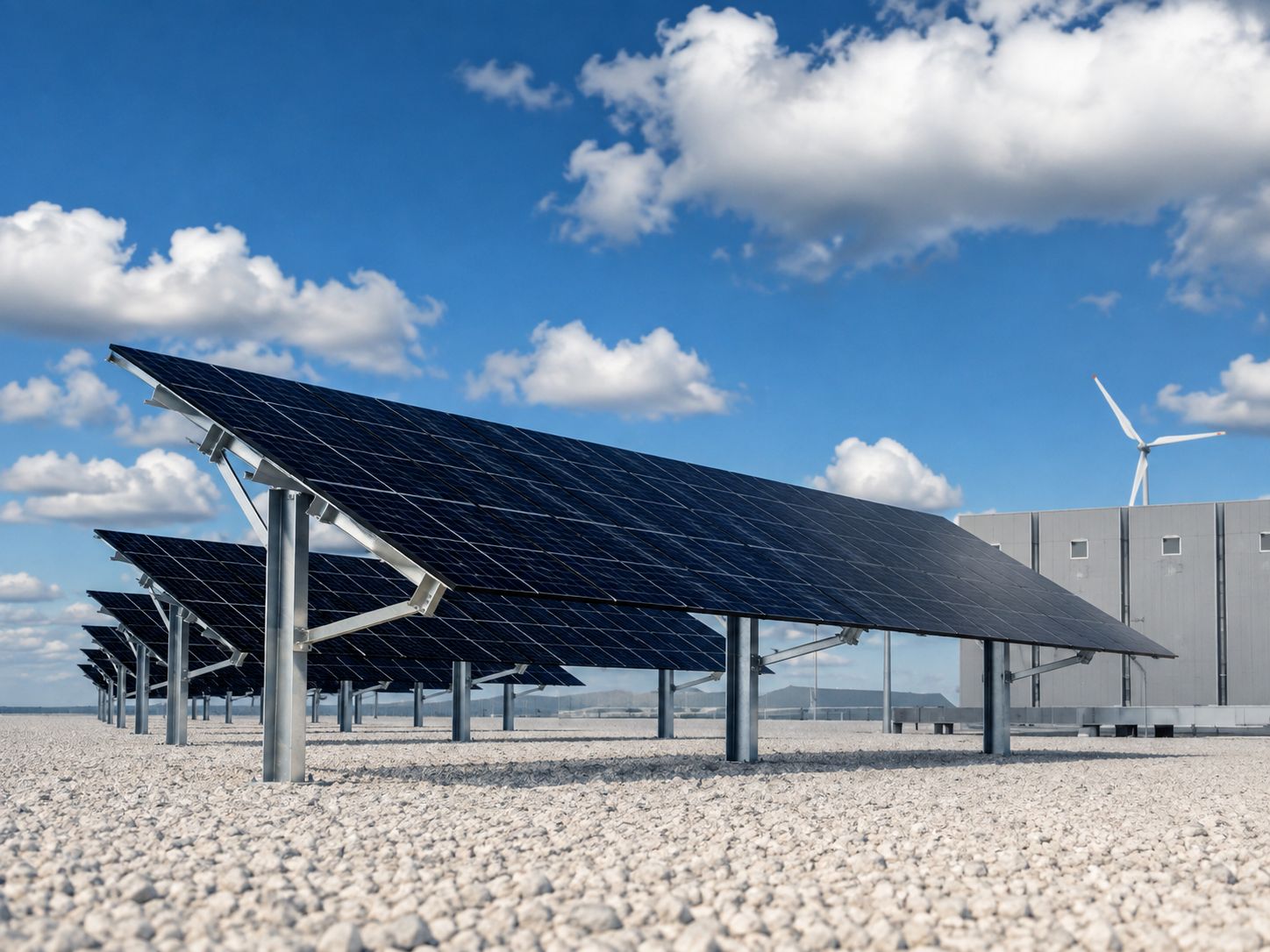
India has achieved a significant milestone in its renewable energy journey, with the Government informing Parliament that the country’s installed solar power capacity has increased 57 times since 2014, reaching 162.15 GW. The remarkable growth reflects India’s strong commitment to expanding clean energy and strengthening its position as one of the world’s leading solar power markets.
Over the past decade, solar energy has evolved from a relatively small contributor to becoming a key pillar of India’s electricity sector. The expansion has been driven by large-scale solar parks, rooftop solar systems, floating solar projects, and distributed renewable energy installations across the country. Continuous investment, supportive government policies, and growing private sector participation have played an important role in accelerating this progress.
Government initiatives such as competitive bidding, renewable energy incentives, solar park development, improved transmission infrastructure, and rooftop solar programs have created a favourable environment for the rapid growth of the sector. These measures have attracted both domestic and international investments while encouraging faster project development.
Technological advancements and increased manufacturing capacity have also contributed to making solar power more affordable than ever before. Improved solar module efficiency, lower installation costs, and competitive tariffs have encouraged industries, businesses, and households to adopt solar energy on a larger scale.
The rapid increase in installed solar capacity is helping India reduce its dependence on fossil fuels while supporting cleaner electricity generation. Greater use of solar energy contributes to lower greenhouse gas emissions, improved air quality, and enhanced energy security, aligning with the country’s long-term sustainability and climate commitments.
At the same time, the growing share of renewable energy highlights the need for continued investment in battery energy storage, smart grid technologies, transmission networks, and flexible power systems. These improvements will help ensure reliable electricity supply and enable better integration of renewable energy into the national grid.
India’s achievement of 162.15 GW of installed solar capacity marks a major step towards building a cleaner and more resilient energy future. As solar deployment continues to expand, the focus will increasingly shift toward improving grid integration, strengthening domestic manufacturing, and supporting the country’s ambitious renewable energy goals.