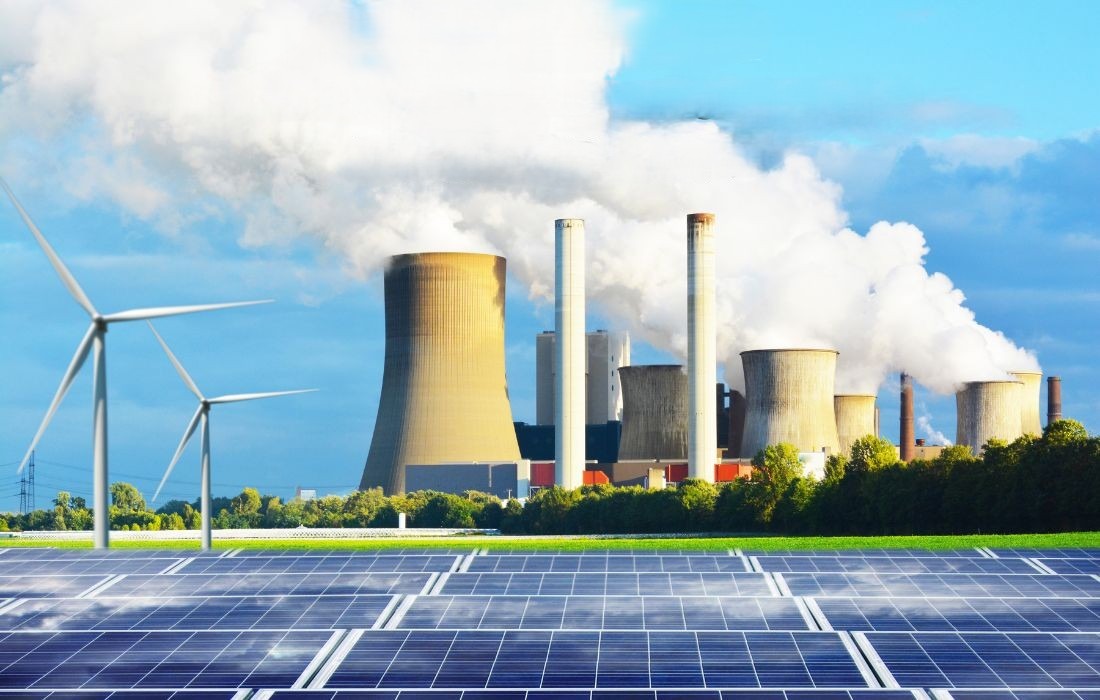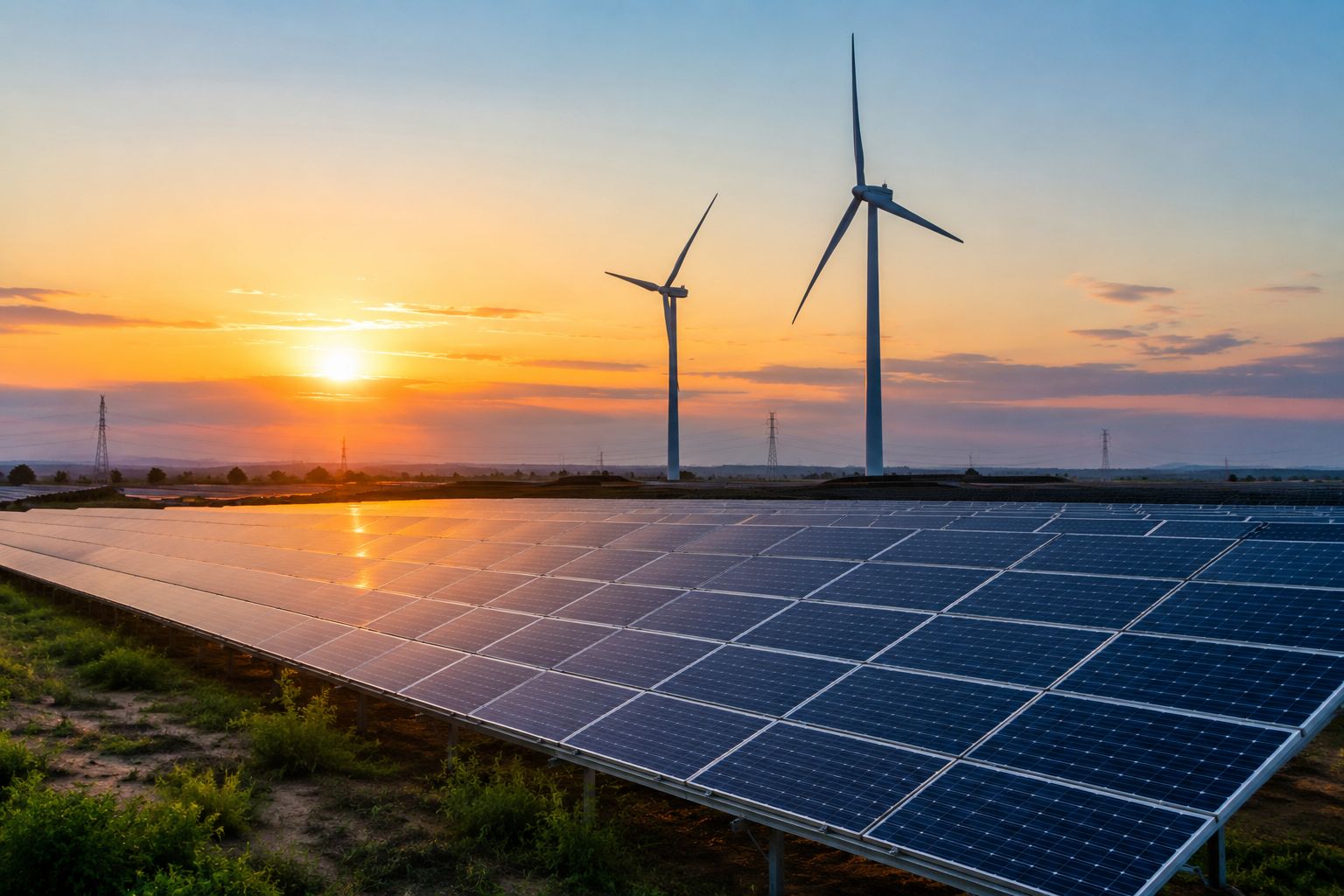
India’s growing solar energy capacity played a vital role in meeting the country’s record electricity demand during the recent summer season, highlighting the increasing importance of renewable energy in the nation’s power sector. As soaring temperatures, higher air-conditioner usage, industrial expansion, and urban development pushed electricity consumption to new highs, solar power supplied a significant share of daytime electricity, reducing pressure on coal-fired power plants.
One of the key advantages of solar energy is that it generates electricity when demand is typically at its highest during hot summer afternoons. This natural alignment between solar generation and peak daytime consumption helped improve grid stability while reducing the need for additional coal-based electricity generation.
Although coal continues to be India’s primary source of electricity, the recent demand season demonstrated that expanding solar capacity is beginning to change the country’s energy mix. Large-scale solar parks, rooftop solar installations, and hybrid renewable energy projects are contributing more power to the grid, allowing conventional thermal plants to operate more efficiently during peak demand periods.
The increased use of solar energy also brings significant economic benefits. Lower dependence on coal can reduce fuel transportation costs, ease pressure on domestic coal supplies, and limit exposure to fluctuations in international coal prices. As electricity demand continues to rise, these savings can strengthen India’s long-term energy security.
Environmental benefits are equally important. By replacing a portion of coal-fired electricity during daytime peak hours, solar power helps reduce greenhouse gas emissions and air pollution, supporting India’s climate goals while improving air quality in many regions.
As renewable energy grows, experts emphasize the need for stronger grid infrastructure, battery energy storage systems, pumped hydro projects, and flexible power management solutions. These technologies will help balance electricity supply after sunset, when solar generation decreases but demand often remains high.
The recent summer season demonstrates that solar energy is becoming a core component of India’s electricity system rather than simply an additional source of power. While coal will continue to play an important role for the foreseeable future, the increasing contribution of solar energy signals a gradual transition toward a cleaner, more reliable, and diversified power sector.