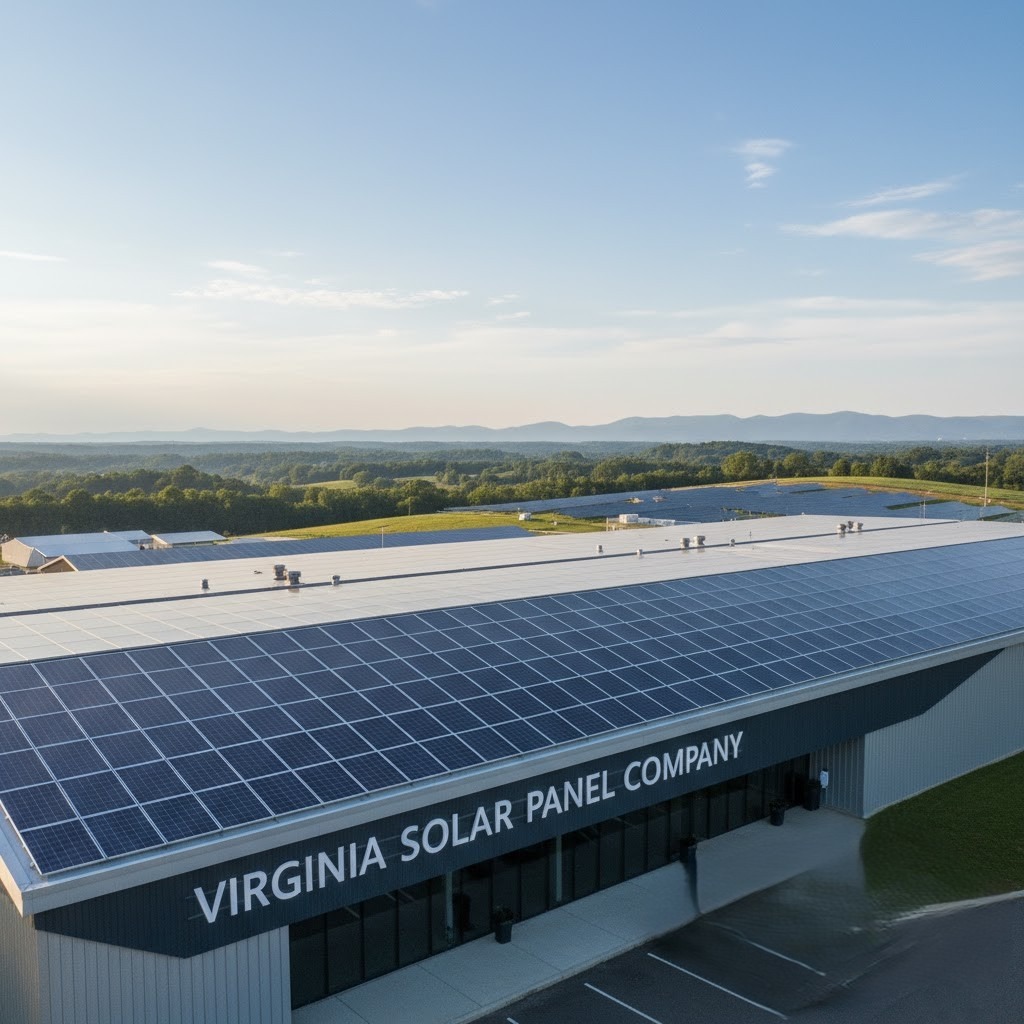
Building-Integrated Photovoltaics (BIPV) is redefining how we think about renewable energy in modern architecture. Instead of adding solar panels to rooftops as an afterthought, BIPV integrates photovoltaic materials directly into the building’s design; seamlessly combining aesthetics, functionality, and sustainability.
What is BIPV?
BIPV refers to solar technologies embedded into construction materials such as facades, windows, skylights, or roofing. These systems generate electricity while serving as functional building components, reducing the need for traditional construction materials and lowering overall costs in the long run.
Advantages of BIPV
The primary advantage of BIPV is its dual role, combining power generation and structural design. It eliminates the need for separate solar installations, creating sleek, energy-efficient buildings. Beyond aesthetics, BIPV helps reduce electricity bills, enhances a building’s green rating, and supports net-zero energy goals. It is particularly valuable in urban areas, where rooftop space is limited.
Challenges to Adoption
Despite its benefits, BIPV adoption in India and globally faces hurdles. The high initial costs, limited availability of specialized materials, and need for skilled installation slow down its growth. Additionally, ensuring long-term durability and efficiency while maintaining architectural appeal remains a challenge.
Future Outlook
As solar technology becomes more advanced and costs decline, BIPV is expected to gain traction in both commercial and residential projects. Architects and developers are increasingly embracing sustainable designs, and with government incentives for green buildings, BIPV could soon become a mainstream choice.
BIPV represents the future of solar in architecture, where buildings are not just energy consumers but also power generators. By blending design with sustainability, it holds the potential to transform urban landscapes into hubs of clean energy.