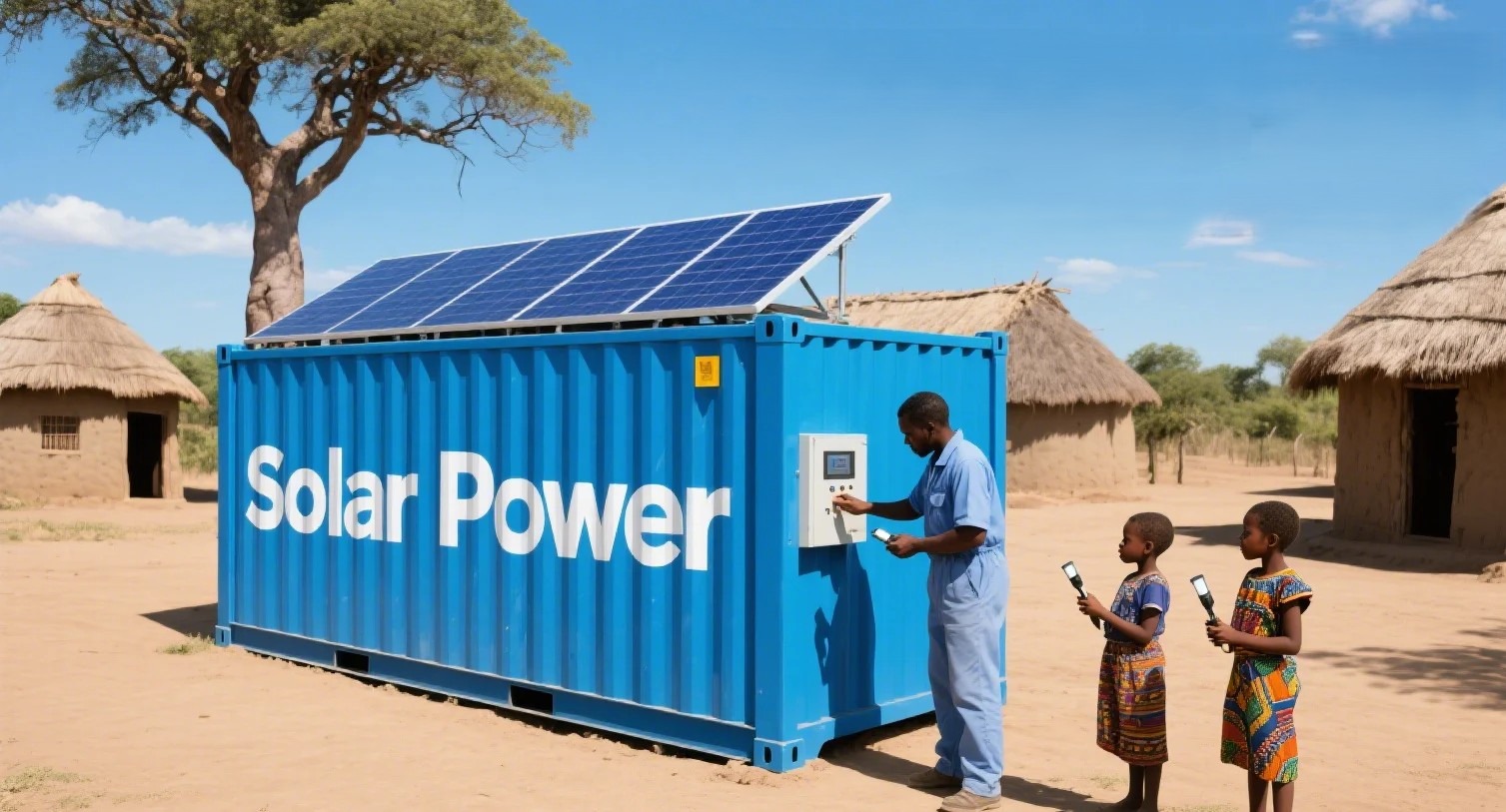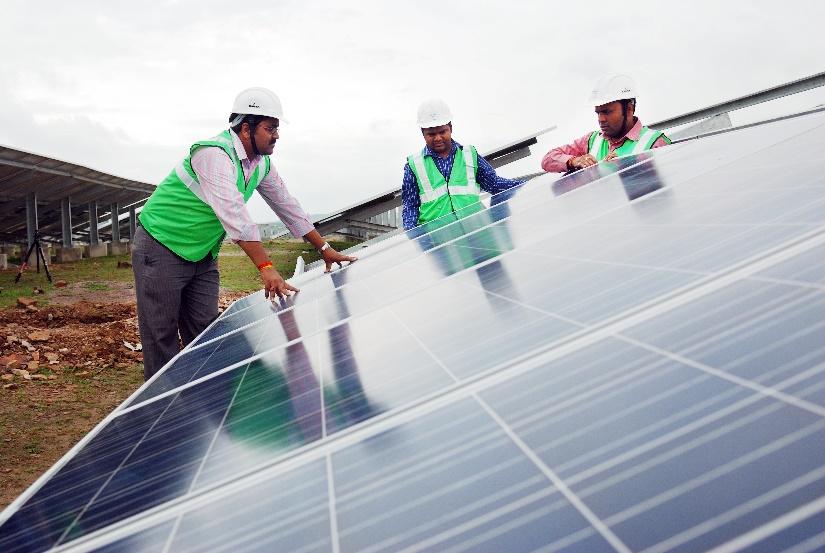
Expanding into global markets offers significant potential for solar developers — but each country has distinct environmental, regulatory, and financial conditions. A feasibility study ensures that an international solar project is technically sound, financially viable, and compliant with local policies before major investment is made. Here’s a simple guide to conducting an effective feasibility study for cross-border solar installations.
1. Site & Solar Resource Assessment
Start by analyzing:
• Solar irradiance data (GHI, DHI)
• Temperature and climate conditions
• Land suitability (terrain, shading, soil type)
Tools like satellite imagery and long-term weather datasets help predict energy generation accurately.
2. Grid Availability & Infrastructure
• Distance to nearest substation
• Grid stability and capacity
• Interconnection policies and charges
Grid limitations can impact both cost and profitability.
3. Regulatory & Policy Review
Each country has unique rules for:
• Licensing and land acquisition
• Foreign investment policies
• Tax benefits, incentives, and tariffs
• Environmental and safety approvals
Understanding policy frameworks early can prevent delays later.
4. Financial & Market Analysis
Evaluate:
• Capital expenditure (CAPEX)
• Operating costs (OPEX)
• Local labor and logistics costs
• Power Purchase Agreement (PPA) opportunities
• Currency exchange and inflation risks
Generate financial models including IRR, ROI, and payback period.
5. Social & Environmental Impact Study
International projects must ensure:
• Minimal ecological disturbance
• Community acceptance
• Job creation and social benefits
Stakeholder communication is essential for long-term success.
6. Risk Identification & Mitigation
Risk assessment should consider:
• Political stability
• Permitting delays
• Technology selection
• Supply chain disruptions
Preparedness helps secure investor confidence.
Conclusion:
A thorough feasibility study is the foundation of any international solar project. By evaluating site suitability, policies, financial benefits, and risks, developers can make informed decisions and ensure project success. With proper planning, global solar expansion can deliver sustainable energy while unlocking strong economic returns.