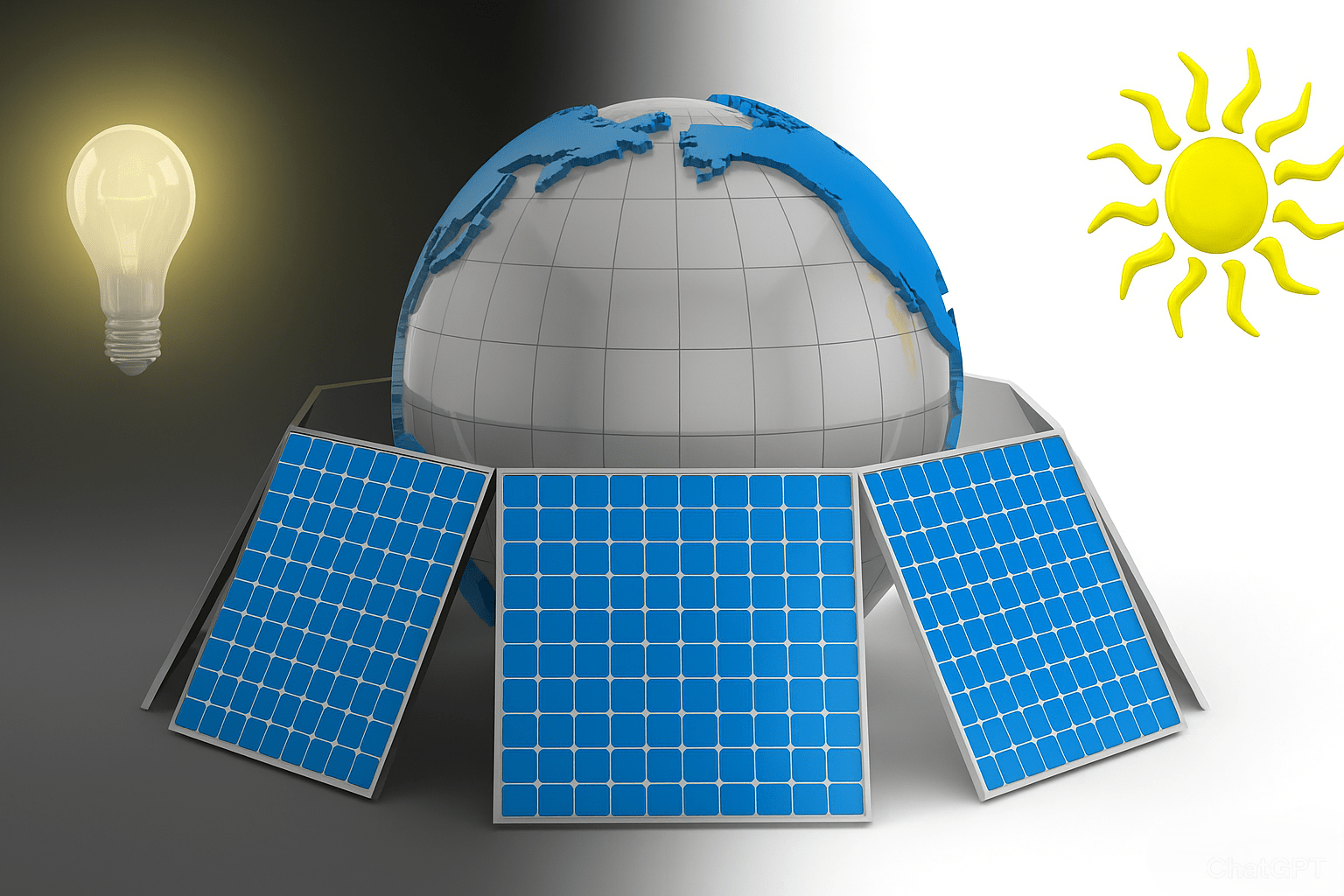
Yes, installing solar panels in India is a financially sound and environmentally beneficial choice. With rising electricity costs and supportive government policies, solar energy offers substantial long-term savings and energy independence.
Financial Benefits:
• Quick Payback Period: Most residential solar systems pay for themselves in 4–6 years. After that, you enjoy free electricity for the remaining 20+ years of the system’s life.
• Significant Savings: A 3 kW system can save ₹2,500–₹3,500 per month, totaling ₹30,000–₹40,000 annually.
• Government Subsidies: Under schemes like PM Surya Ghar Yojana, you can receive up to ₹78,000 in subsidies for systems up to 3 kW.
Environmental Impact:
• Reduced Carbon Footprint: Solar energy is a clean, renewable source that helps reduce greenhouse gas emissions.
• Sustainable Energy Source: Solar panels have a lifespan of 25–30 years, providing long-term, eco-friendly energy solutions.
Ideal for Homeowners:
Solar panels are particularly beneficial if:
• Your monthly electricity bill exceeds ₹1,500.
• You own your roof (flat or sloped).
• You plan to stay in the same home for the next 5–10 years.
Beneficial for Businesses:
• Cost Savings: Commercial solar systems can reduce electricity bills by up to 90%.
• Tax Benefits: Businesses can avail of GST credits and depreciation benefits.
• Enhanced Sustainability: Adopting solar energy aligns with corporate social responsibility goals.
Conclusion:
Investing in solar energy in India is a wise decision for both financial and environmental reasons. With government incentives, rapid payback periods, and long-term savings, solar panels offer a sustainable and cost-effective energy solution.