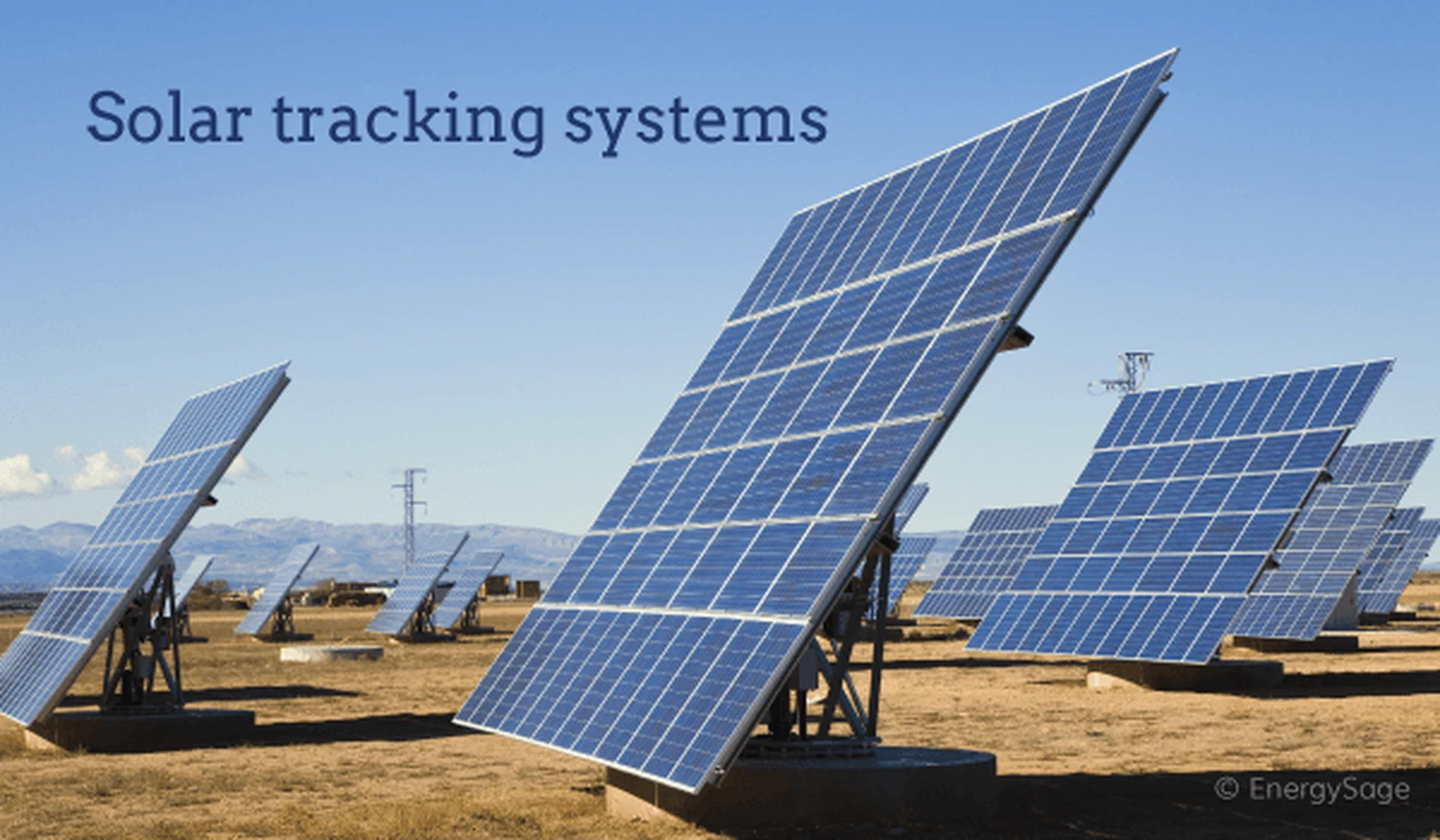
In the race toward cleaner, more efficient renewable energy, solar tracking systems have emerged as a game-changing innovation. Unlike fixed solar panels that remain stationary, solar trackers follow the movement of the sun across the sky — capturing maximum sunlight throughout the day and significantly improving energy output.
For solar farms, businesses, and even residential users, these systems are helping boost efficiency, increase ROI, and optimize every ray of sunlight that hits the panels.
What Is a Solar Tracking System?
A solar tracking system is a mechanical structure that moves solar panels to align with the sun’s position. The system adjusts panel angles either horizontally, vertically, or both, ensuring that sunlight hits the panels at the most effective angle all day long.
Solar trackers can increase energy generation by 15%–40% compared to fixed-tilt systems, depending on the design and geographic location.
Types of Solar Tracking Systems:
Solar tracking systems generally fall into two main categories:
1. Single-Axis Trackers (SAT)
These systems rotate panels on one axis — typically from east to west — following the sun’s daily path.
• Ideal for: Utility-scale solar farms and open land installations.
• Benefits: Simple, cost-effective, and reliable.
• Efficiency Gain: 15–25% more energy output.
2. Dual-Axis Trackers (DAT)
These systems move panels on both horizontal and vertical axes, tracking the sun’s daily and seasonal changes.
• Ideal for: Areas with high seasonal variation and premium energy demands.
• Benefits: Maximizes energy capture year-round.
• Efficiency Gain: Up to 40% improvement compared to fixed systems.
How Smart Motion Enhances Solar Tracking:
Modern solar tracking systems now incorporate AI and IoT (Internet of Things) technologies, creating smart motion that adjusts in real-time based on environmental conditions.
Key features of smart solar trackers include:
• Automatic sun-position sensors that detect sunlight direction.
• Weather adaptation, adjusting the tilt during cloudy or stormy conditions.
• AI-based optimization for energy prediction and fault detection.
• Remote monitoring via mobile or cloud-based dashboards.
By integrating these intelligent systems, operators can minimize energy losses and extend panel lifespan.
Components of a Solar Tracking System:
1. Tracking Controller: The Brain of the system that processes sunlight data.
2. Motor and Drive System: Moves panels in response to control commands.
3. Sensors: Detect sun angles and cloud movement.
4. Mounting Structure: Provides mechanical stability for panel movement.
5. Power Supply: Usually drawn from solar energy itself.
Benefits of Using Solar Tracking Systems:
| Advantage | Description |
| Higher Energy Yield | Produces 15–40% more electricity by maximizing sunlight exposure |
| Better Land Utilization | Increases productivity per square meter |
| Enhanced ROI | Faster payback period due to increased power generation |
| Sustainability | Faster payback period due to increased power generation |
| Adaptability | Faster payback period due to increased power generation |
Cost vs. Efficiency: Is It Worth It?
While solar trackers cost more upfront than fixed systems (typically 10–20% higher), the increased energy output quickly offsets the additional expense.
For large-scale and commercial solar plants, the return on investment is particularly attractive, with payback periods ranging from 3–5 years.
In residential setups, single-axis systems are becoming more accessible and cost-effective with modular designs and lower maintenance needs.
Challenges in Implementation:
While the benefits are substantial, a few challenges exist:
• Higher maintenance costs due to mechanical components.
• Initial setup complexity in uneven terrains.
• Potential shading between moving rows of panels if poorly aligned.
Manufacturers are addressing these issues through weather-resistant designs, low-maintenance gear systems, and AI-driven calibration.
The Future of Solar Tracking:
The next generation of solar trackers will feature:
• AI-based predictive tracking using real-time weather data.
• Self-cleaning systems to maintain panel efficiency.
• Integration with battery storage for optimized energy distribution.
• Lightweight, modular designs for easy deployment.
As solar energy adoption grows globally, smart motion tracking systems will become the new standard for maximizing efficiency and sustainability.
Conclusion:
Solar tracking systems are revolutionizing the solar industry by making every photon count. Whether for large-scale farms or smaller installations, they provide a technological edge that boosts performance, efficiency, and returns.
By combining mechanical precision with AI-powered intelligence, these systems ensure that solar energy remains the brightest solution for a sustainable future.