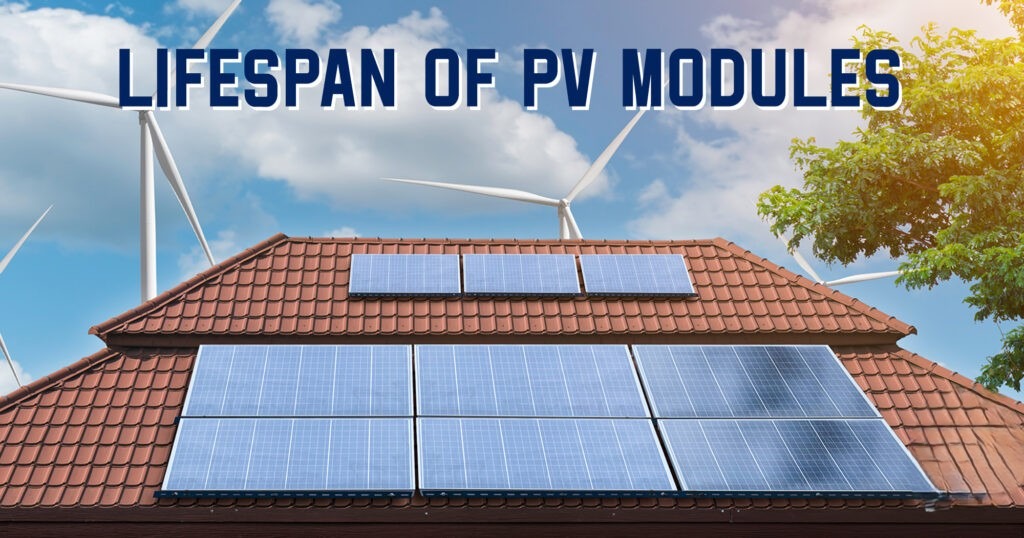
Solar energy is one of the most sustainable and cost-effective sources of renewable energy. When investing in a solar PV (photovoltaic) system, one of the key questions homeowners and businesses ask is: “How long will my solar panels last?” Understanding the lifespan of solar panels can help you plan your energy needs, maintenance, and return on investment.
Average Lifespan of Solar Panels:
Most high-quality solar panels come with a warranty of 25 years. This doesn’t mean they stop working after that — it means the manufacturer guarantees a certain level of performance (usually around 80–85% of their original output) for 25 years. With proper maintenance, many panels continue producing electricity for 30 years or more.
Lifespan of Other Solar System Components:
● Inverters: The inverter (which converts DC power from panels into AC power for use in your home or business) typically lasts 10–15 years. Most systems will require at least one inverter replacement during the solar panel’s lifetime.
● Batteries (if installed): Solar batteries usually last 5–15 years, depending on usage, technology, and maintenance.
● Mounting Structures & Wiring: Racking systems and electrical wiring can last 25–30 years or longer if installed properly and protected from corrosion or damage.
Factors That Affect Solar System Lifespan:
1. Quality of Equipment – Panels from reputed manufacturers tend to last longer.
2. Installation Quality – A well-installed system has fewer issues over time.
3. Maintenance Practices – Routine cleaning, inspections, and timely inverter/battery replacements keep the system healthy.
4. Climate Conditions – Extreme weather (snow, hail, or high heat) may reduce efficiency, though panels are designed to withstand most conditions.
5. Technological Advancements – Newer panels and inverters often have improved durability and warranties compared to older models.
How Performance Changes Over Time:
Solar panels undergo degradation, meaning they lose a small percentage of efficiency each year. On average, the degradation rate is about 0.5% per year. So, after 25 years, a panel may still produce around 80–85% of its original output.
Extending the Lifespan of Your Solar Power System:
● Schedule annual professional inspections to check for wear and tear.
● Keep panels clean and free from debris, dust, or snow.
● Monitor system performance using a solar monitoring app.
● Replace inverters or batteries when needed to maintain system efficiency.
● Avoid physical damage and secure panels properly against extreme weather conditions.
Warranties and Guarantees:
Most solar panels come with a 25-year performance warranty, guaranteeing around 80% efficiency at the end of the term. Inverters usually have a 10-year warranty, sometimes extendable to 15 years. Batteries may have warranties from 5 to 15 years, depending on technology. Understanding these warranties helps you plan replacements and costs.
Conclusion
A solar power system is a long-term investment with an expected lifespan of 25–30 years or more. While certain components may need replacement along the way, panels themselves are durable and reliable. With the right care, your system can keep producing clean, cost-effective energy for decades.