Large-scale solar parks can play an important role in India’s renewable energy transition, but stronger power evacuation infrastructure and domestic manufacturing will be essential for further growth, industry experts said.
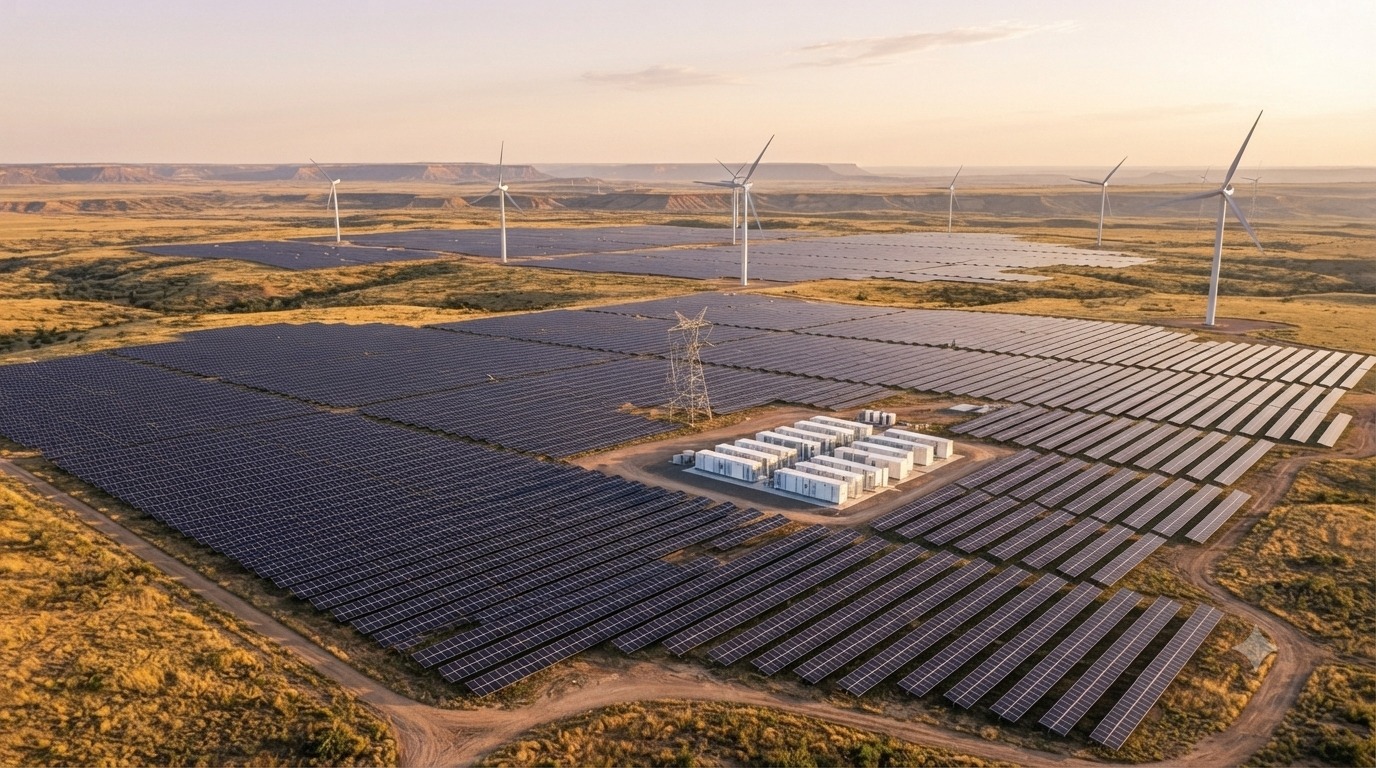
Experts highlighted that solar parks have helped make large-scale solar power more financially viable by bringing together land, infrastructure, policy support and industry participation. Projects such as the Khavda solar park also demonstrate the potential to develop renewable energy in remote and challenging locations.
Power Evacuation Remains a Key Challenge
According to industry experts, India needs to strengthen its transmission and power evacuation infrastructure, particularly in regions with high renewable energy potential.
Remote areas such as Ladakh have significant solar potential, but adequate transmission infrastructure is required to transport the electricity generated from these projects to demand centres. Better evacuation systems, along with energy storage and other technologies, could help utilise solar power more effectively.
Focus on Domestic Solar Manufacturing
Experts also stressed the importance of strengthening India’s domestic renewable energy supply chain. Greater local production of solar wafers, cells, modules and batteries could reduce dependence on imports and support India’s goal of becoming more energy self-reliant.
India’s solar installations have reached nearly 165 GW, while domestic module manufacturing capacity has crossed 213 GW and cell manufacturing capacity has exceeded 30 GW, according to the report.
Experts believe that combining large-scale solar parks with stronger transmission infrastructure, energy-storage technologies and domestic manufacturing will be important for accelerating India’s clean-energy transition.
The continued development of solar parks is therefore expected to remain an important part of India’s renewable-energy expansion and long-term energy security.