The Uttar Pradesh Electricity Regulatory Commission (UPERC) has rejected a petition filed by Uttar Pradesh Rajya Vidyut Utpadan Nigam Limited (UPRVUNL) seeking regulatory approval to install solar power plants at its existing thermal power station premises.
The petition, filed against Uttar Pradesh Power Corporation Limited (UPPCL) under Petition No. 2394 of 2026, requested permission to treat investment in these solar projects as additional capitalisation (AdCap) under the Uttar Pradesh Electricity Regulatory Commission (Terms and Conditions of Generation Tariff) Regulations, 2024.
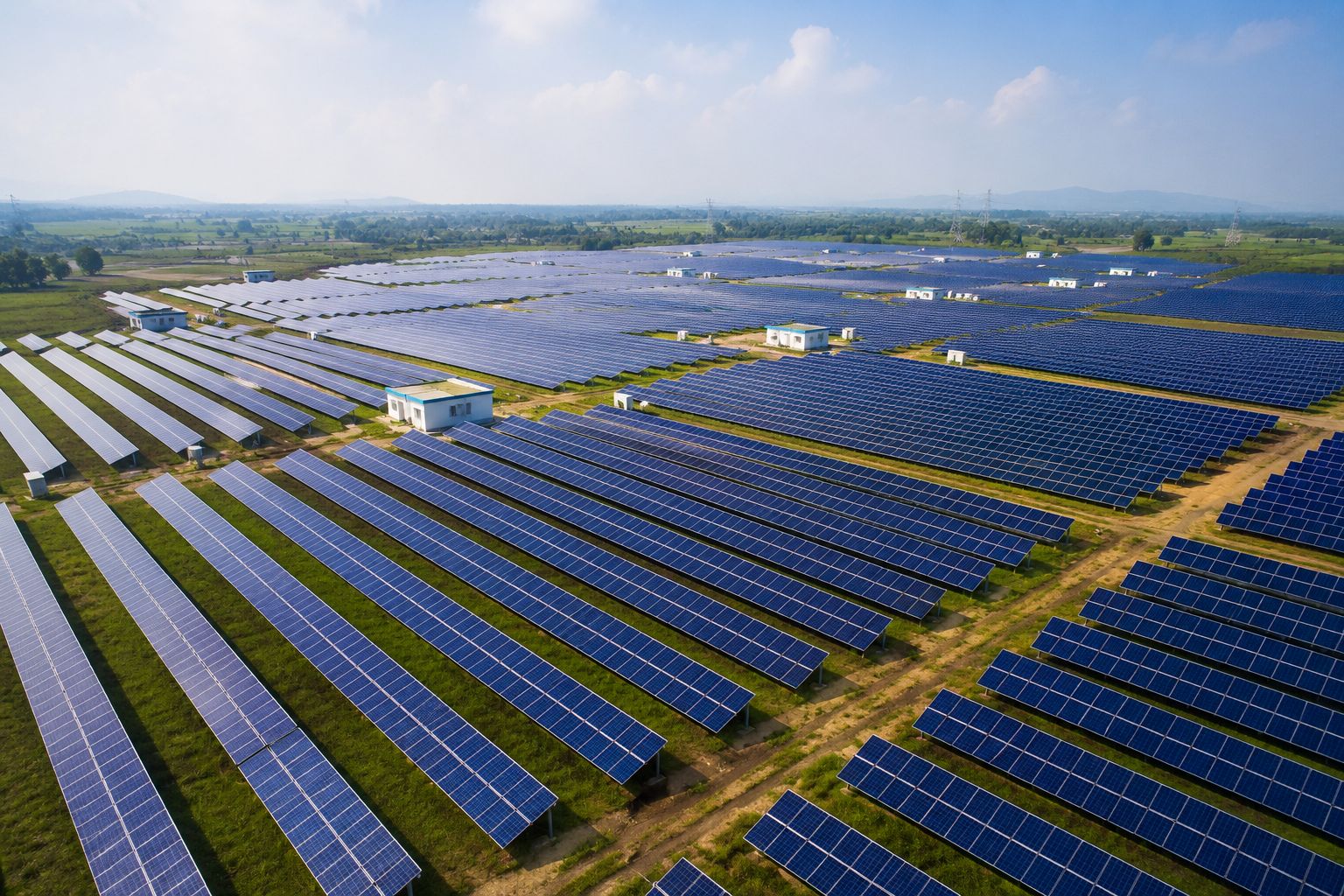
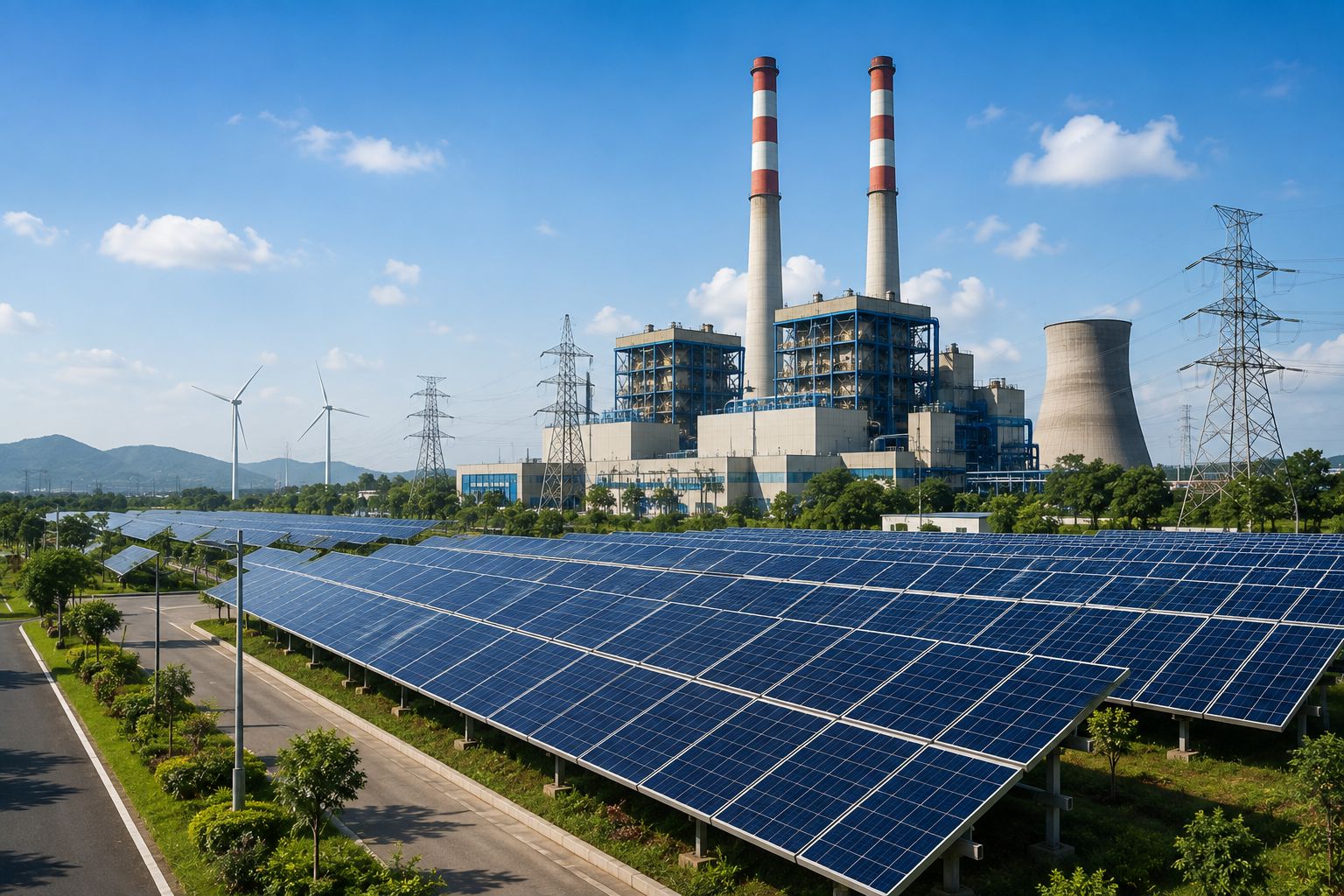
UPRVUNL had proposed installing solar plants within its thermal power stations to meet a portion of the stations’ auxiliary energy consumption (AEC). The objective was to replace electricity currently drawn from the grid for internal plant operations with solar-generated power.
The utility argued that reducing auxiliary consumption through solar generation could increase the ex-bus declared capacity available for supply to the grid. It therefore sought regulatory approval for capital expenditure on solar installations, even though the projects would be undertaken after the generating stations’ commercial operation dates and were not part of their original scope.
UPERC heard the matter on August 11, 2026. During the proceedings, UPRVUNL maintained that using solar power for internal consumption could reduce auxiliary power requirements and allow more electricity to be made available to the grid.
However, in its order dated August 14, 2026, the Commission noted that the existing Generation Tariff Regulations, 2024 do not contain provisions allowing additional capital expenditure specifically for solar plants installed to optimise auxiliary energy consumption.
UPERC stated that it may consider creating an appropriate regulatory framework in the future after consulting relevant stakeholders. However, the Commission clarified that changes to regulations cannot be introduced through a judicial proceeding based on an individual petition.
Based on these observations, UPERC dismissed UPRVUNL’s petition in limine.
The decision means that UPRVUNL will not receive the requested regulatory relaxation through the current petition. Any future approval mechanism for such solar investments would first require the Commission to establish or amend the applicable regulatory framework through the formal rulemaking process.