The Central Electricity Regulatory Commission (CERC) has issued a corrigendum to correct typographical errors in its earlier order concerning tariff adoption for 2,000 MW of inter-state transmission system (ISTS)-connected solar PV projects integrated with 1,000 MW/4,000 MWh of energy storage systems (ESS).
The corrigendum was issued on August 13, 2026, in relation to Petition No. 975/AT/2025 filed by the Solar Energy Corporation of India Limited (SECI). The original tariff order was issued on March 24, 2026, following a competitive bidding process for solar projects paired with energy storage.
CERC corrected errors in two entries of the tariff allocation table while keeping all other provisions of the original order unchanged.
Revised Solar Capacity Allocations
Under the corrected table, Shivalaya Construction Limited received the largest allocation of 600 MW at ₹2.86/kWh. Purvah Green Power Private Limited and SAEL Industries Limited were each allocated 300 MW, at tariffs of ₹2.86/kWh and ₹2.87/kWh, respectively.
Other allocations include:
- Welspun Renewable Energy Private Limited: 200 MW at ₹2.86/kWh
- MB Power (Madhya Pradesh) Limited: 150 MW at ₹2.86/kWh
- Navayuga Green Energy Private Limited: 120 MW at ₹2.87/kWh
- Banyan Insolation Private Limited: 100 MW at ₹2.86/kWh
- Stockwell Solar Services Private Limited: 80 MW at ₹2.86/kWh
- Oswal Cables Limited: 50 MW at ₹2.86/kWh
- LC Infra Projects Private Limited: 50 MW at ₹2.86/kWh
- GH2 Solar Limited: 50 MW at ₹2.87/kWh
The allocations together account for the full 2,000 MW solar capacity.
CERC said the corrections were made under the relevant provisions of the CERC (Conduct of Business) Regulations, 2023. The Commission clarified that the corrigendum only updates the tariff allocation details and does not change the other terms and conditions of its March 2026 order.
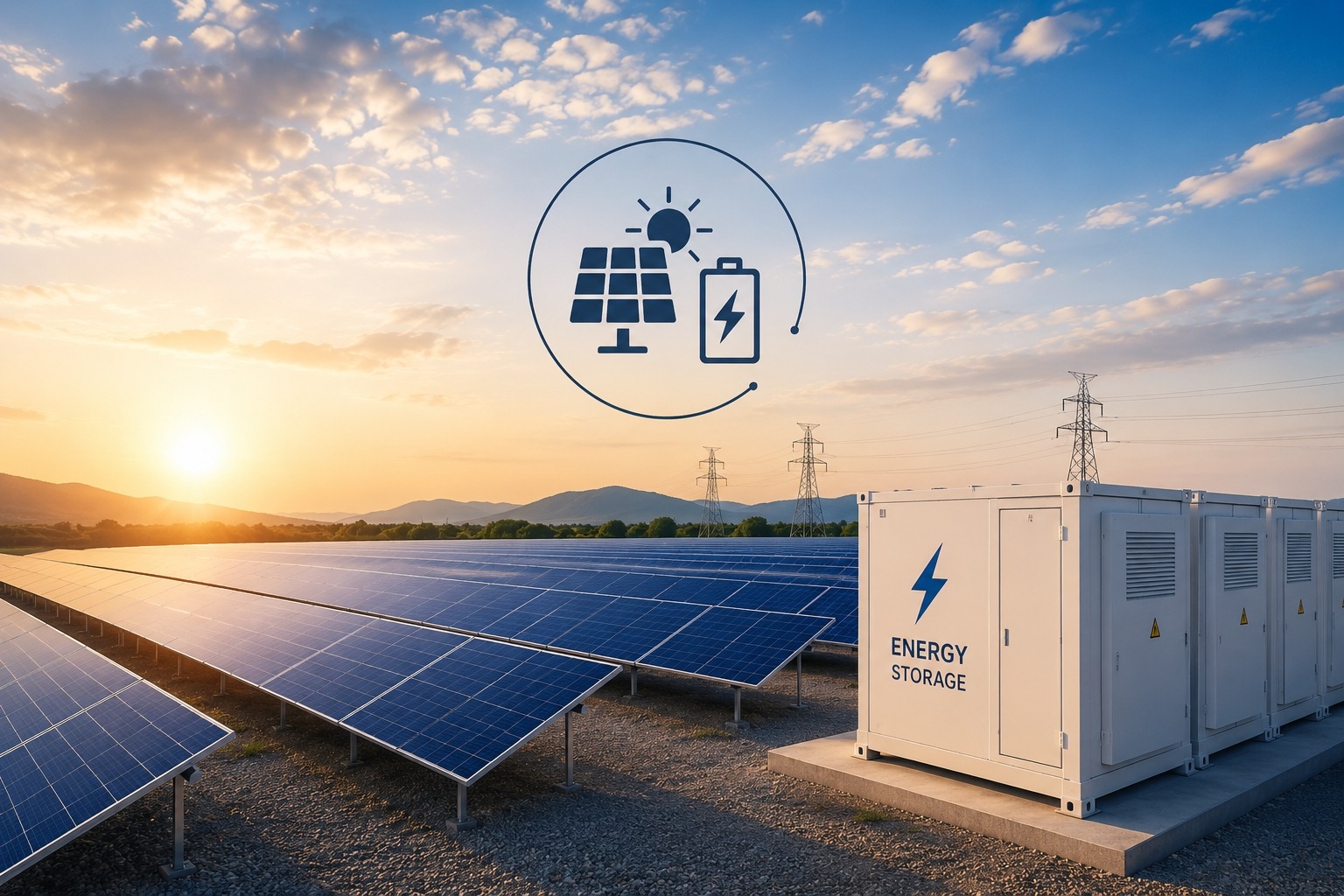
The development highlights the growing integration of solar generation with large-scale energy storage in India’s renewable-energy procurement framework, supporting the availability of more reliable and dispatchable clean power.