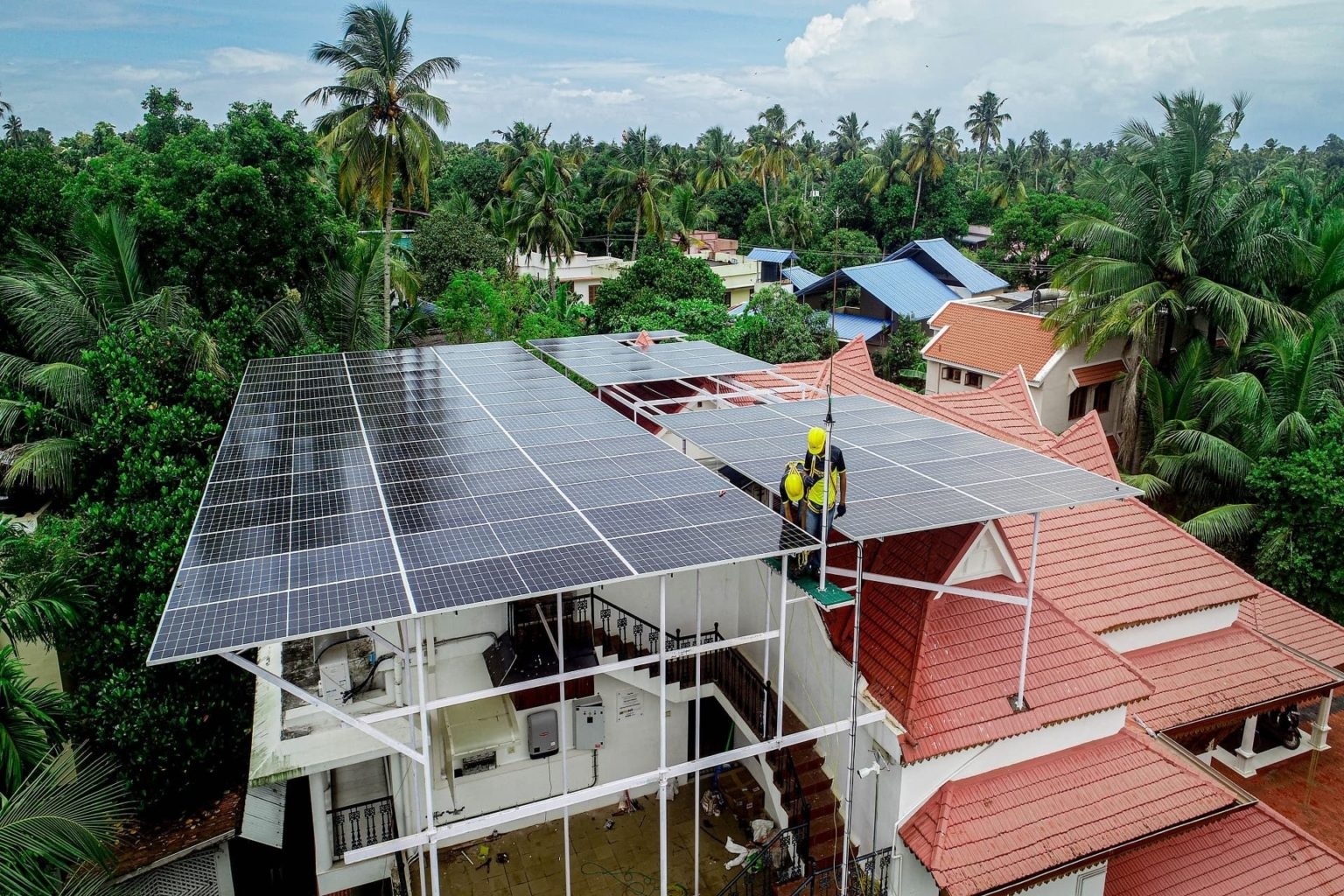
India’s rooftop solar market continues to attract strong consumer interest, but projects in several southern states are facing delays due to issues related to registration, documentation, application processing, grid interconnection and net-meter availability.
The growing demand for rooftop solar has not always translated into completed installations. Delays in approvals and connectivity can leave systems waiting for commissioning even after consumers and installers have completed much of the project work.
A major challenge is the DISCOM approval and interconnection process. Rooftop systems need technical approval and grid connectivity before they can begin exporting surplus electricity. Where these processes take longer, project completion and consumer savings are also delayed.
Net-meter availability is another important factor. Net metering allows consumers to receive credit for excess electricity supplied to the grid, making rooftop solar more financially attractive. Any delay in meter installation can therefore postpone the benefits of an already-installed system.
The southern region has significant rooftop solar potential and already has a substantial installed base across states including Kerala, Tamil Nadu, Karnataka, Telangana and Andhra Pradesh. However, differences in utility processes, infrastructure readiness and local implementation can affect the pace of new installations.
The situation highlights that expanding rooftop solar requires more than consumer incentives. Faster approvals, smoother documentation, adequate distribution infrastructure and timely net-meter installation are essential to convert demand into operational solar capacity.
With rooftop solar becoming an increasingly important part of India’s clean-energy transition, improving these implementation processes could help southern states accelerate installations and unlock greater benefits for households and businesses.