Hyderabad, August 27, 2026: Telangana’s solar market is gradually moving beyond capacity expansion toward solar-plus-storage solutions, higher equipment quality and long-term reliability, as consumers increasingly look beyond low upfront costs.
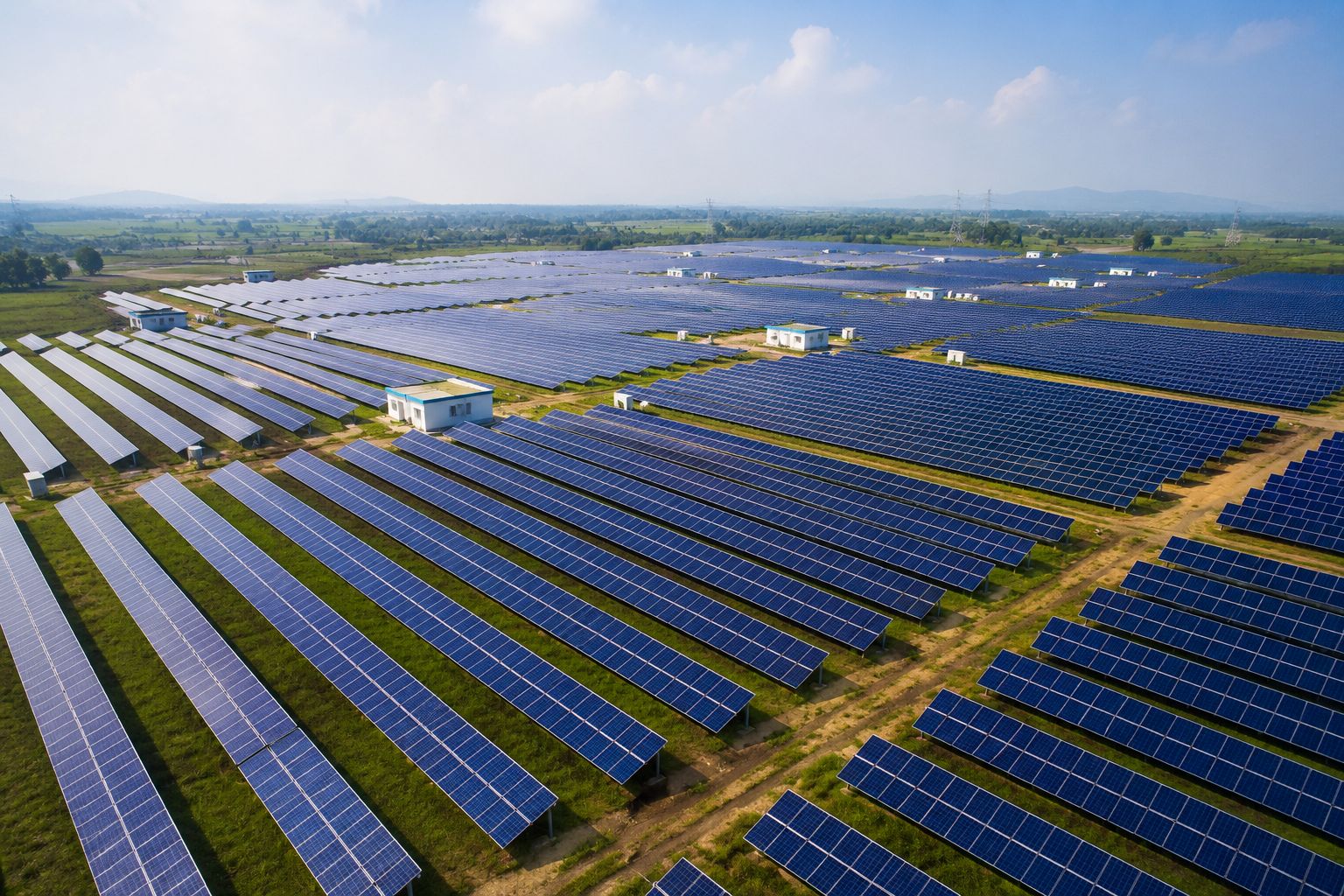
As of the first half of 2026, Telangana had around 4.7 GW of installed solar capacity, including approximately 3.9 GW of large-scale solar projects. The state also has around 2.5 GWh of standalone energy storage projects in the pipeline, indicating growing interest in battery and storage-backed renewable power.
Growing Demand for Solar-Plus-Storage
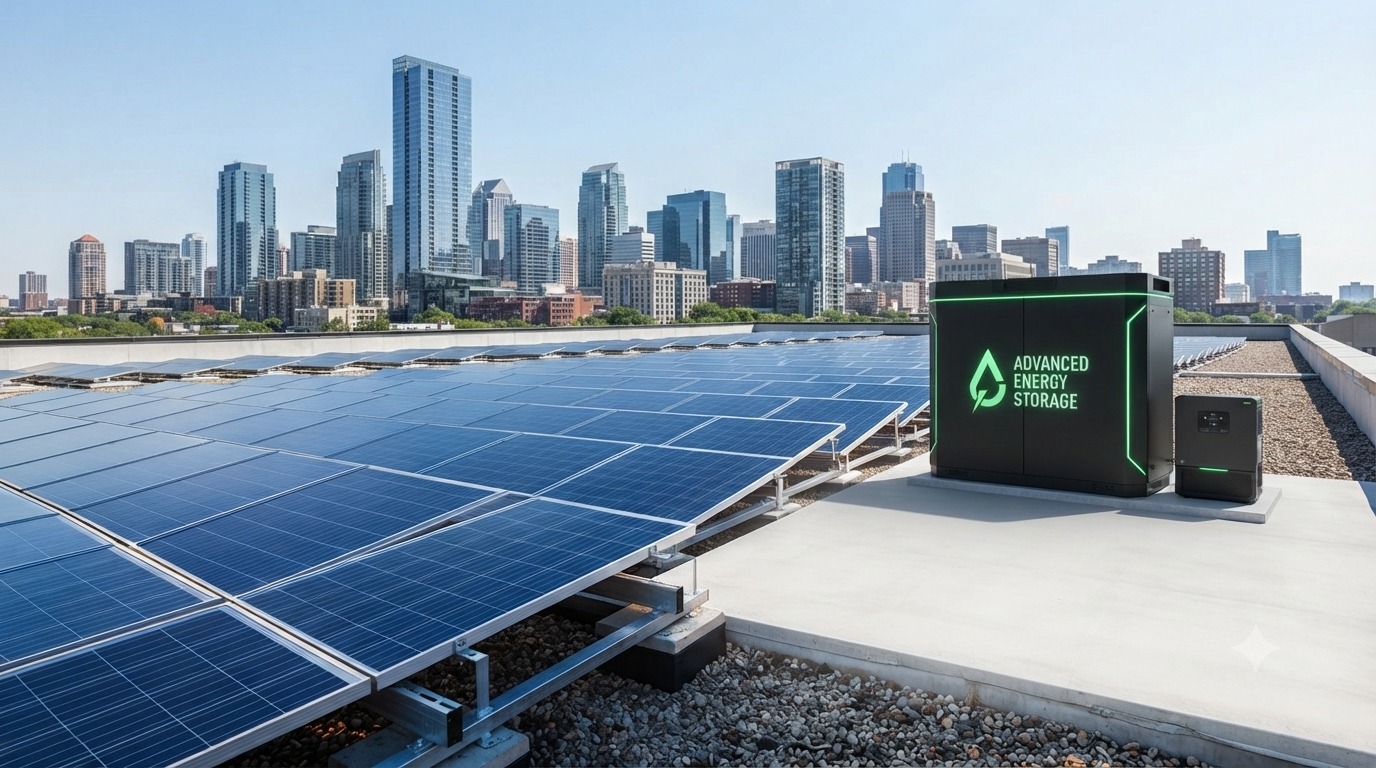
The market is seeing increased interest in hybrid inverters, which allow consumers to combine solar generation with battery storage and add storage capacity as their electricity requirements increase.
Industry data indicates that the share of hybrid inverters in one major supplier’s sales mix has increased significantly over the past three years. Consumers are also placing greater importance on installation quality, warranties and after-sales support rather than choosing equipment solely on price.
Residential customers currently represent a major share of battery demand, while commercial and industrial consumers are expected to increase their adoption as businesses seek more reliable and cleaner electricity. Data centres could also become an important source of future storage demand.
Focus Shifts to Equipment Quality
The changing market is also influencing demand for solar mounting structures. Buyers are increasingly evaluating durability, site conditions and expected project life when selecting mounting systems.
Factors such as soil conditions, corrosion levels, geographical location and wind speeds need to be considered when designing structures for long-term solar projects. Different protective coatings, including ZAM and hot-dip galvanizing, can be selected depending on the environmental conditions of each site.
Emerging Technologies
Industry participants also expect technologies such as sodium-ion batteries and microinverters to gain greater attention in the coming years. Sodium-ion batteries could initially find applications in utility-scale storage, while increased microinverter adoption is already contributing to greater competition and lower equipment costs.
The developments discussed at a recent renewable-energy industry event in Hyderabad highlight a broader trend in Telangana’s solar sector: the market is increasingly focused not only on adding solar capacity, but also on improving reliability, storage integration, equipment quality and long-term project performance.